
.jpeg)
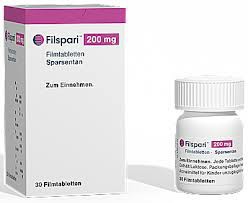
Spaxentan/sparsentan: new drug for the treatment of non-hormonal kidney disease
Sparsentan/Sparsentan, as an innovative drug, has emerged in recent years in the treatment of kidney-related diseases such as primary immunoglobulin A nephropathy. Its unique dual receptor antagonism mechanism targets angiotensin II receptor (AT1) and endothelin-1 receptor (ETA), giving it a therapeutic effect different from traditional drugs. However, it is worth noting that sparsentane does not fall into the category of hormonal drugs.
Hormone drugs usually refer to drugs that imitate or interfere with the effects of naturally occurring hormones in the body, such as glucocorticoids and sex hormones. They regulate physiological processes such as metabolism, immune response, etc. by binding to specific hormone receptors. The mechanism of action of sparsentin is completely different.
Sparsentan works mainly by inhibiting the activity of angiotensinII and endothelin-1. These two biological factors have an important impact on the kidneys and cardiovascular system, and excessive activation is often closely related to pathological conditions such as hypertension, heart failure, and kidney damage. Through dual antagonistic mechanisms, sparsentane can not only effectively lower blood pressure, but also reduce urinary protein excretion, thereby significantly improving kidney function.
In clinical trials, sparsentan has demonstrated impressive efficacy and safety, particularly in patients who have not responded well to a single class of drugs. Compared with traditional single receptor antagonists, such as ACE inhibitors or ARBs, sparsentan performs better in certain patient groups. It not only effectively controls high blood pressure, but also reduces the incidence of cardiovascular events and shows great potential to improve kidney function. However, despite its remarkable efficacy, possible adverse reactions such as hypotension and electrolyte imbalance need to be paid close attention to.
During development, sparsentan underwent rigorous clinical trial evaluation to ensure its safety and effectiveness. The results showed that most patients tolerated treatment with this drug well. However, because sparsentin is involved in two important physiological pathways, special caution is needed to evaluate potential drug interactions when used in combination with other drugs, especially antihypertensive or renoprotective drugs. In practical applications, doctors will develop personalized treatment plans based on the patient's specific condition and needs.
In summary, sparsentan, as a new drug with dual mechanisms, provides a new option for the treatment of hyperalbuminuria and the management of renal diseases. As research continues to deepen and clinical data continues to accumulate, we have reason to believe that sparsantane will play an increasingly important role in the treatment of chronic kidney disease.
References:https://synapse.patsnap.com/article/what-is-sparsentan-used-for
[ 免责声明 ] 本页面内容来自公开渠道(如FDA官网、Drugs官网、原研药厂官网等),仅供持有医疗专业资质的人员用于医学药学研究参考,不构成任何治疗建议或药品推荐。所涉药品可能未在中国大陆获批上市,不适用于中国境内销售和使用。如需治疗,请咨询正规医疗机构。本站不提供药品销售或代购服务。


