
.jpeg)
Fostamatinib Chinese instructions
1. Common name:Fostamatinib
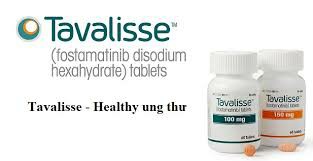
Product name:Tavalisse, Tavlesse
Other names: fotantinib, fostatinib, fostatinib (transliteration)
2. Indications:
Fostamatinib (Fostamatinib) is indicated for the treatment of thrombocytopenia in adult patients with chronic immune thrombocytopenia (ITP) who have had an inadequate response to prior therapy.
3. Usage and dosage:
1. Recommended dose: The starting dose of fotantinib is 100 mg, taken orally twice a day. After one month, if the platelet count has not increased to at least 50*10^9/L, increase the dose of fotantinib to 150 mg orally twice daily.
Use the lowest dose of fotantinib to achieve and maintain a platelet count of at least 50*10^9/L to reduce the risk of bleeding. Fotantinib can be taken with or without food. If a dose of fotantinib is missed, instruct the patient to take the next dose at the prescribed time.
2. Medication monitoring: After obtaining the baseline assessment, monitor the complete blood count, including platelet count, monthly until a stable platelet count is achieved (at least50*10^9/L). Thereafter, continue to monitor the complete blood count (CBC) regularly, including neutrophils. Monitor liver function tests (LFTs) monthly (such as ALT, AST, and bilirubin). Monitor blood pressure every two weeks until a stable dose is established, then monthly thereafter.
3. Dose adjustment: Based on individual safety and tolerability, it is recommended to adjust the dose of fotantinib. Management of some adverse reactions may require dose interruption, dose reduction, or discontinuation.
For example, if the patient was on the maximum dose when an adverse reaction occurred, the first dose reduction would be from 300 mg/day to 200 mg/day, or to 150 mg/day, or to 100 mg/day (taken once daily in the morning) . If further dose reduction to less than 100 mg/day is necessary, discontinue fotantinib.
4. Drug interactions: Concurrent use with potentCYP3A4 inhibitors will increase the exposure of R406 (the main active metabolite). Monitoring may require adjustment of the fotantinib dose when coadministered with strong CYP3A4 inhibitors.
5. Discontinuation of medication: If the platelet count does not increase to a level sufficient to avoid clinically important bleeding after 12 weeks of treatment, discontinue fotantinib.
4. Adverse reactions:
In clinical studies of fotantinib, the most commonly reported side effects were diarrhea, hypertension, nausea, respiratory tract infection, dizziness, increased liver enzymes, rash, abdominal pain, fatigue, chest pain, and decreased white blood cell count; serious adverse reactions included dyspnea and hypertension; neutropenia, arthralgia, chest pain, diarrhea, dizziness, kidney stones, extremity pain, toothache, syncope, and hypoxia.
5. Supply and storage:
Fotantinib is available in 100 mg and 150 mg tablets. Store at room temperature, 20°C to 25°C (68°F to 77°F); tolerances are allowed between 15°C and 30°C (59°F to 86°F).
6. Overdose:
There is no specific antidote for fostamatinib overdose, and the amount of R406 (the pharmacologically active metabolite of fostamatinib) cleared by dialysis is negligible. In the event of overdose, monitor patients closely for signs and symptoms of adverse reactions and treat these reactions with supportive care.
7. Mechanism of action:
Fortantinib is a tyrosine kinase inhibitor with activity against splenic tyrosine kinase (SYK). The major metabolite of fotantinib, R406, inhibits Fc-activated receptor and B-cell receptor signaling. The fotantinib metabolite R406 reduces antibody-mediated platelet destruction.
Reference materials:https://dailymed.nlm.nih.gov/dailymed/drugInfo.cfm?setid=21149cc3-049b-43e2-b141-c9499160556c
[ 免责声明 ] 本页面内容来自公开渠道(如FDA官网、Drugs官网、原研药厂官网等),仅供持有医疗专业资质的人员用于医学药学研究参考,不构成任何治疗建议或药品推荐。所涉药品可能未在中国大陆获批上市,不适用于中国境内销售和使用。如需治疗,请咨询正规医疗机构。本站不提供药品销售或代购服务。


