
.jpeg)
Lorlatinib and its use in children, safety and precautions
Lorlatinib, also known as lorlatinib, is an anti-tumor drug that has attracted much attention in the medical community. As a highly effective third-generation small molecule ALK/ROS1 dual-target inhibitor, it has demonstrated excellent efficacy in combating drug-resistant tumors and clearing brain metastases. However, we must be extremely cautious when involving pediatric patients with this powerful drug.
Lorlatinib effectively inhibits the growth and spread of lung cancer cells by inhibitingALK fusion protein activity. It has become an important treatment option for patients with ALK-positive advanced non-small cell lung cancer. What is more worth mentioning is that lorlatinib can penetrate the blood-brain barrier and has a targeting effect on brain metastases. This feature is particularly critical in the treatment of lung cancer.
However, the factors we need to consider when using lorlatinib in pediatric patients are far more complex than in adults. First of all, children's physical development is immature, and their ability to metabolize and excrete drugs is different from that of adults. Therefore, the dosage and route of administration for children cannot simply follow adult standards, but should be finely adjusted according to the specific conditions of each child.
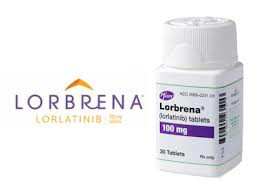
In addition, pediatric patients should receive closer medical monitoring during treatment with lorlatinib. This includes not only regular physical examinations and laboratory tests to evaluate the efficacy and possible side effects of the drugs, but also attention to the quality of life of the children to ensure that they can maintain normal growth and development during treatment.
Of course, the use of any medication can be associated with side effects. Although lorlatinib is safe and effective for most patients, it may still cause adverse reactions such as fatigue, vomiting, and insomnia. Pediatric patients may be more sensitive to these side effects due to their special constitution. Therefore, when doctors prescribe medications, they must fully explain the possible risks to parents or guardians and ensure they understand how to deal with these side effects.
In summary, as a highly effective anti-tumor drug, lorlatinib needs to be used with extreme caution in pediatric patients. Through personalized treatment plans and close medical monitoring, we hope to bring more hope and possibilities to these young lives.
Reference materials:https://www.ema.europa.eu/en/documents/product-information/lorviqua-epar-product-information_en.pdf
[ 免责声明 ] 本页面内容来自公开渠道(如FDA官网、Drugs官网、原研药厂官网等),仅供持有医疗专业资质的人员用于医学药学研究参考,不构成任何治疗建议或药品推荐。所涉药品可能未在中国大陆获批上市,不适用于中国境内销售和使用。如需治疗,请咨询正规医疗机构。本站不提供药品销售或代购服务。


