
.jpeg)
Mirikizumab usage and dosage guidelines
Mirikizumab (Mirikizumab) is a biologic agent designed to treat moderately to severely active ulcerative colitis in adults. Before starting treatment, a doctor will conduct a thorough evaluation of the patient to ensure that he or she is suitable for treatment with this drug.
1. Preparation before treatment
Before using militizumab, patients must be carefully evaluated for tuberculosis (TB) infection. Because militizumab is an immunosuppressant and may increase the risk of infection, it is important to recognize underlying tuberculosis. In addition, doctors should monitor patients' liver enzyme and bilirubin levels to detect possible liver function abnormalities in time. At the same time, it is also necessary to ensure that patients complete all age-appropriate vaccinations according to current immunization guidelines, which can help reduce the risk of infection.
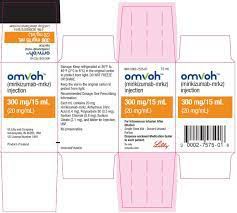
2. Recommended dosage and administration method
The dosage regimen of militizumab is divided into two stages: induction dose and maintenance dose. The induction dose is 300 mg, and the specific administration time is scheduled at weeks 0, 4, and 8. It is administered by intravenous infusion, and the entire infusion process needs to last at least 30 minutes. This method of administration is designed to rapidly increase drug concentrations in the body to effectively control disease activity. After the induction period, the maintenance treatment phase is entered. The recommended maintenance dose is 200 mg, which is scheduled to be administered by subcutaneous injection in the 12th week. During maintenance treatment, the injection needs to be divided into two consecutive injections, each of 100 mg, and then injected every four weeks to ensure that the blood drug concentration is maintained within the effective range.
3. Medication management and injection skills
Milizumab is mainly administered via intravenous injection and is operated by professional doctors under sterile conditions. Each vial of militizumab is for single use only and patients must use a new vial with each treatment. In addition, a complete maintenance dose requires the use of 2 prefilled pens or 2 prefilled syringes to ensure accurate dosing. When giving subcutaneous injections, recommended injection sites include the abdomen, thighs, and back of the upper arms. To reduce local tissue damage, patients should try to inject in different locations. If the first injection is in the abdomen, it is recommended that the second injection be given in another area of u200bu200bthe abdomen, in the upper arm, or thigh. At the same time, injections should not be given in areas where the skin is soft, bruised, erythematous or indurated to avoid discomfort or complications.
By following the guidance above, patients can be treated with milizumab more safely and effectively, thereby improving their health.xa0xa0
Reference materials:https://dailymed.nlm.nih.gov/dailymed/drugInfo.cfm?setid=472cbe04-263e-433d-9a0f-58c1b50b715a##
[ 免责声明 ] 本页面内容来自公开渠道(如FDA官网、Drugs官网、原研药厂官网等),仅供持有医疗专业资质的人员用于医学药学研究参考,不构成任何治疗建议或药品推荐。所涉药品可能未在中国大陆获批上市,不适用于中国境内销售和使用。如需治疗,请咨询正规医疗机构。本站不提供药品销售或代购服务。


