
.jpeg)
Sparsentan/sparsentan binds to the target through those forces
Sparsentan is a novel therapeutic agent that has attracted considerable interest in the medical community, particularly for its potential in treating kidney diseases such as focal segmental glomerulosclerosis (FSGS) and immunoglobulin A nephropathy (IgAN). To understand the mechanism of action of sparsentan, in-depth study of its pharmacological effects, targets and effects on biochemical processes in the body is required.
Sparsentan is classified as a dual-acting angiotensin II receptor antagonist and an endothelin receptor antagonist. This dual mechanism of action is key to its therapeutic potential. In order to understand how sparsentin works, it is important to first understand the role of angiotensin II and endothelin-1 in renal pathology.
AngiotensinII is a potent vasoconstrictor that plays a key role in regulating blood pressure and fluid balance. It binds to the angiotensin II type 1 receptor (AT1 receptor) on the surface of various cells, causing vasoconstriction, increased aldosterone secretion and sodium retention. These effects can exacerbate hypertension and lead to kidney damage by promoting inflammation and fibrosis within kidney tissue.
Endothelin-1 is another powerful vasoconstrictor that also contributes to kidney damage. It works by binding to endothelin receptors, specifically ETA and ETB receptors. Activation of these receptors results in vasoconstriction, cell proliferation, and fibrosis. Elevated endothelin-1 levels are associated with various forms of kidney disease, making it a prime target for therapeutic intervention.
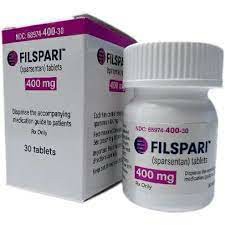
Sparsentane's unique mechanism of action lies in its ability to simultaneously block AT1 receptors and endothelin receptors. By antagonizing AT1 receptors, sparsentane reduces the effects of angiotensinII, resulting in vasodilation, reduced aldosterone secretion, and reduced sodium retention. This helps lower blood pressure and relieves inflammation and fibrotic processes within the kidneys.
In addition to its effects on the angiotensin system, sparsentine also blocks endothelin receptors, specifically ETA receptors. By inhibiting the effects of endothelin-1, spaxentan further promotes vasodilation and reduces the proliferative and fibrotic responses that lead to kidney damage. The dual inhibition provided by sparsantane is thought to provide more comprehensive protection to the kidneys compared with drugs that target only one of these pathways.
Clinical studies have demonstrated the efficacy of sparsentane in reducing proteinuria, a key marker of kidney damage, in patients with FSGS and IgA nephropathy. Proteinuria is caused by damage to the glomerular filtration barrier, and its reduction indicates improved kidney function and slower disease progression.
In summary, the mechanism of action of sparsantane includes dual blocking of angiotensin II AT1 receptors and endothelin ETA receptors. This dual action results in vasodilation, reduced inflammation and reduced renal fibrosis, ultimately protecting the kidneys from damage and improving clinical outcomes in patients with conditions such as FSGS and IgA nephropathy. The promise of sparsentin lies in its ability to address multiple pathological processes simultaneously, providing a new and potentially more effective approach to treating chronic kidney disease.
Reference materials:https://synapse.patsnap.com/article/what-is-the-mechanism-of-sparsentan
[ 免责声明 ] 本页面内容来自公开渠道(如FDA官网、Drugs官网、原研药厂官网等),仅供持有医疗专业资质的人员用于医学药学研究参考,不构成任何治疗建议或药品推荐。所涉药品可能未在中国大陆获批上市,不适用于中国境内销售和使用。如需治疗,请咨询正规医疗机构。本站不提供药品销售或代购服务。


