
.jpeg)
Evaluation of the therapeutic efficacy of bosutinib/bosutinib
Bosutinib/Bosutinib is a new tyrosine kinase inhibitor (TKI), mainly used for the treatment of chronic myelogenous leukemia (CML). Especially for patients who have poor response to existing treatments, the efficacy of Bosutinib has attracted much attention. Studies have found that the drug can effectively reduce the proportion of Philadelphia chromosome-positive (Ph+) leukemia cells, making it an important treatment option for these patients.
In a pivotal clinical trial, bosutinib was evaluated in 570 patients with Ph+ CML who had received at least one prior TKI. Among them, 52 patients were unable to use other TKIs due to drug resistance or severe side effects, and had unmet medical needs. Among this group of patients, 36 had chronic phase CML and 16 had accelerated phase or blast phase CML. The main efficacy criterion of the study is the "major cytogenetic response" (CCyR) after 6 months of treatment, which is a reduction in the proportion of Philadelphia chromosome-positive white blood cells to less than 35%.
The results showed that 18 of 36 patients in the chronic phase successfully achieved major cytogenetic responses, while 7 of the 16 patients in the advanced phase showed significant responses. This result not only demonstrates the effectiveness of bosutinib in patients with CML at different stages, but also brings new hope to those patients who have responded poorly to other treatment options.
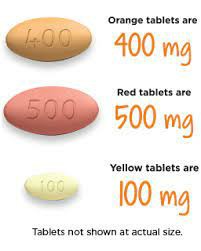
Further studies that followed patients treated with bosutinib over the long term showed that the drug's efficacy remained significant during at least10 years of follow-up. These data demonstrate that bosutinib can stably provide anti-leukemia effects regardless of the patient's initial treatment background, establishing its important position in the treatment of chronic myelogenous leukemia.
In addition, another study involved163 patients with chronic or advanced Ph+ CML who were refractory to or intolerant to at least one TKI treatment. The results showed that among 156 patients with chronic Ph+ CML, 72% had a major cytogenetic response, and among 7 patients with advanced disease, 75% achieved a hematological response after one year of treatment. This once again confirms the advantages of bosutinib in the treatment of complex cases.
In comparison with the traditional drug imatinib, A study of 536 newly diagnosed CML patients showed that bosutinib was significantly more effective than imatinib. The incidence of major molecular response (MMR) reached 47% in patients treated with bosutinib and only 37% in patients treated with imatinib. This difference further emphasizes the advantage of bosutinib in treatment-naïve patients, suggesting that it is more effective in controlling disease progression.
Reference materials:https://www.ema.europa.eu/en/medicines/human/EPAR/bosulif
[ 免责声明 ] 本页面内容来自公开渠道(如FDA官网、Drugs官网、原研药厂官网等),仅供持有医疗专业资质的人员用于医学药学研究参考,不构成任何治疗建议或药品推荐。所涉药品可能未在中国大陆获批上市,不适用于中国境内销售和使用。如需治疗,请咨询正规医疗机构。本站不提供药品销售或代购服务。


