
.jpeg)
How to use axitinib/axitinib
Axitinib/Axitinib is a targeted therapy drug mainly used to treat advanced renal cell carcinoma (RCC). Its indications include first-line and second-line treatment. Specifically, axitinib can be used in combination with avelumab or pembrolizumab to become a first-line treatment option for patients with advanced kidney cancer. In addition, axitinib can also be used as a single agent for second-line treatment when patients have not responded well to other systemic therapies.
In terms of usage and dosage, the recommended starting dose of axitinib is 5 mg taken orally twice daily, 12 hours apart. For different combination treatment regimens, the dosage can be adjusted accordingly. When used in combination with avelumab, patients should receive 800 mg of avelumab as an intravenous infusion every two weeks until disease progression or unacceptable toxicity occurs. In this case, doctors can consider increasing the dose of axitinib to more than the initial dose of 5 mg, with an interval of two weeks or more, depending on the patient's tolerance. Similarly, when used in combination with pembrolizumab, the initial dose of axitinib is also 5 mg twice daily, while pembrolizumab is administered as an intravenous infusion of 200 mg every 3 weeks or 400 mg every 6 weeks until changes in therapeutic effects or side effects occur.
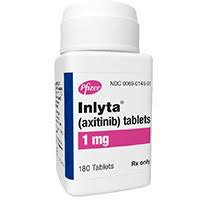
For second-line treatment, when axitinib is used as a single agent, the recommended starting oral dose is still 5 mg twice daily. It can be taken at the same time interval with or without food. In addition, patients should swallow the tablets whole with a full glass of water when taking the medicine. If they vomit or miss a dose during the regular medication time, they should not take another dose. They only need to take the next prescribed dose on time.
During treatment, dosage adjustments are made based on the patient's individual safety and tolerability. Once the patient tolerates axitinib for two consecutive weeks without experiencing grade 2 or above adverse reactions, has normal blood pressure and is not receiving antihypertensive medication, a dose increase may be considered. This flexible medication management strategy is designed to maximize treatment effectiveness and reduce possible side effects based on the patient's actual condition.
Reference materials:https://dailymed.nlm.nih.gov/dailymed/drugInfo.cfm?setid=84137882-e000-47da-bd5b-fa76ab3c76f9##
[ 免责声明 ] 本页面内容来自公开渠道(如FDA官网、Drugs官网、原研药厂官网等),仅供持有医疗专业资质的人员用于医学药学研究参考,不构成任何治疗建议或药品推荐。所涉药品可能未在中国大陆获批上市,不适用于中国境内销售和使用。如需治疗,请咨询正规医疗机构。本站不提供药品销售或代购服务。


