
.jpeg)
How effective is axitinib/axitinib in the treatment of kidney cancer?
Axitinib/Axitinib is a targeted therapy for renal cell carcinoma. It mainly exerts its anti-tumor effect by inhibiting the tyrosine kinases of vascular endothelial growth factor receptor, platelet-derived growth factor receptor-α and c-kit. Phase I study results showed that significant efficacy was observed in patients with renal cell carcinoma at a dose of 5 mg twice daily as the recommended starting dose. This observation was further confirmed in subsequent phase II trials.
In the international randomized phase III study AXIS, the efficacy of axitinib was compared with sorafenib. The trial randomly assigned 723 patients with metastatic kidney cancer to second-line treatment with axitinib or sunitinib. The results showed that the median progression-free survival time in the axitinib group was 6.7 months, while that in the sorafenib group was 4.7 months (P<0.0001). Axitinib showed clinical benefit regardless of prior therapy, although no significant improvement in overall survival was observed.
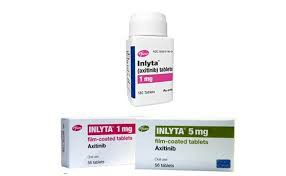
In terms of tolerability, axitinib performed well and had no significant impact on patients' quality of life. The most common grade 3 toxicities included hypertension (16%), diarrhea (11%), and fatigue (11%). Other side effects include anorexia, nausea, hand-foot syndrome and rash. The study found that axitinib significantly prolonged median overall survival and overall response rate in patients with diastolic blood pressure above 90 mmHg. Therefore, if blood pressure does not increase significantly during treatment, the manufacturer recommends that the twice-daily dose may be increased to 7 mg and 10 mg to improve tolerability.
In terms of pharmacokinetics, axitinib reaches peak plasma concentration 2-6 hours after administration and reaches steady state after 15 days. Studies have shown that the median plasma exposure of the drug is higher in the fasting state, and it is recommended to take 5 mg orally twice daily for treatment in the fasting state. In a phase I evaluation, 2 of 6 patients with renal cell carcinoma experienced objective partial responses, further demonstrating the activity of axitinib in the treatment of renal cell carcinoma.
Reference materials:https://pmc.ncbi.nlm.nih.gov/articles/PMC4334173/
[ 免责声明 ] 本页面内容来自公开渠道(如FDA官网、Drugs官网、原研药厂官网等),仅供持有医疗专业资质的人员用于医学药学研究参考,不构成任何治疗建议或药品推荐。所涉药品可能未在中国大陆获批上市,不适用于中国境内销售和使用。如需治疗,请咨询正规医疗机构。本站不提供药品销售或代购服务。


