
.jpeg)
How effective is Trientine?
Trientine (Trientine) is a drug used to treat Wilson's disease. Its main function is to bind to copper ions in the body, thereby helping to excrete excess copper and reducing tissue damage caused by copper deposition. Wilson's disease is a rare inherited metabolic disorder that causes copper accumulation in the body and affects multiple organs, especially the liver and brain, so timely and effective treatment is crucial to improving patients' quality of life.
Trientine plays an important role as an alternative therapy in patients who cannot tolerate or have adverse reactions toD-penicillamine. Studies have shown that trientine can not only stabilize the condition, but also improve clinical symptoms to a certain extent. In a study of 77 patients who received trientine for at least 6 months, nearly half (49%) experienced significant improvement in liver disease symptoms, a positive result for patients with Wilson's disease. At the same time, 14% of patients experienced improvement in neurological symptoms, demonstrating the potential of trientine in relieving damage to the nervous system.
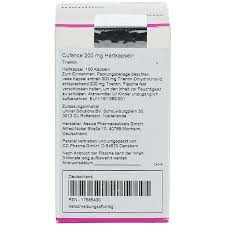
Although the efficacy of trientine is significant, individual differences in response also need to be paid attention to in clinical application. The study mentioned that about 5% of patients experienced worsening of liver symptoms and 3% of patients had worsening of neurological symptoms. This reminds us that when using trientine for treatment, we still need to closely monitor the patient's condition changes in order to adjust the treatment plan in a timely manner. In addition, the side effects of trientine are relatively mild, and common side effects include gastrointestinal discomfort, etc., which are generally tolerable.
When summarizing the efficacy of trientine, it should be noted that as part of the treatment of Wilson's disease, it usually needs to be used in conjunction with other treatments, such as dietary management and regular medical examinations, to ensure that copper ion levels remain within a safe range and reduce the occurrence of complications. For patients who cannot tolerate D-penicillamine, trientine provides a feasible alternative to help them effectively control the progression of the disease and improve their quality of life.
Reference materials:https://www.ema.europa.eu/en/medicines/human/EPAR/cufence
[ 免责声明 ] 本页面内容来自公开渠道(如FDA官网、Drugs官网、原研药厂官网等),仅供持有医疗专业资质的人员用于医学药学研究参考,不构成任何治疗建议或药品推荐。所涉药品可能未在中国大陆获批上市,不适用于中国境内销售和使用。如需治疗,请咨询正规医疗机构。本站不提供药品销售或代购服务。


