
.jpeg)
Trientine resistance treatment
Trientine (Trientine) is a chelating agent used to treat Wilson's disease. Its main function is to reduce the toxic accumulation of copper in the body by binding to excess copper ions in the body and promoting their excretion through urine. However, current research and clinical experience regarding trientine resistance are relatively limited. Nonetheless, clinicians often respond to situations where resistance or intolerance may arise, using a range of strategies.
First, the definition of drug resistance needs to be clear. In the current literature, resistance to trientine refers more to patients' poor response to its treatment or adverse reactions, rather than drug resistance in the traditional sense. Therefore, if a patient experiences a decrease in efficacy after long-term use of trientine, doctors will usually first evaluate whether the patient has strictly complied with the medication instructions, including dosage, medication time, and dietary control. The management of Wilson's disease requires strict control of dietary copper intake. If the patient's copper intake is too high, the efficacy of trientine may be affected.
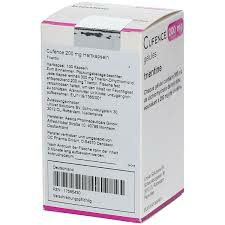
Secondly, if it is confirmed that the patient does not respond well to trientine treatment, the doctor may consider adjusting the drug dosage. The dose of trientine is usually adjusted based on the patient's weight, severity of illness, and renal function. The dose can be increased appropriately if necessary, but it must be done under close supervision by a doctor to avoid potential side effects, such as gastrointestinal discomfort, anemia, or abnormal liver and kidney function.
In addition, doctors may consider alternative treatment options for patients who do not respond satisfactorily to trientine. Penicillamine is another chelating agent commonly used to treat Wilson's disease, often as an alternative to trientine. However, penicillamine has many side effects, such as rash, blood system abnormalities, etc., so the patient's tolerance needs to be carefully assessed when switching drugs.
Reference materials:https://pubmed.ncbi.nlm.nih.gov/18559222/
[ 免责声明 ] 本页面内容来自公开渠道(如FDA官网、Drugs官网、原研药厂官网等),仅供持有医疗专业资质的人员用于医学药学研究参考,不构成任何治疗建议或药品推荐。所涉药品可能未在中国大陆获批上市,不适用于中国境内销售和使用。如需治疗,请咨询正规医疗机构。本站不提供药品销售或代购服务。


