
.jpeg)
The functions and effects of Trientine
Trientine (Trientine) is a copper chelator used to treat Wilson's disease, an autosomal recessive genetic disorder that causes copper to accumulate in various tissues in the body, leading to a variety of neurological or psychiatric symptoms and liver diseases. One of the treatments for Wilson's disease is the use of copper chelators, such as triethylenetetramine (TETA), which can form a stable complex with copper(II) and be excreted through the urine, thereby effectively reducing excess copper storage in the body.
TETA not only promotes urinary copper excretion through the kidneys, but also chelates copper in the intestines, reducing intestinal copper absorption by 80%. This property makes TETA play an important role in improving symptoms in patients with Wilson's disease. In addition, TETA and its metabolite N1-acetyltriethylenetetramine (MAT) are also able to bind other divalent metal ions, such as iron, zinc, magnesium, and manganese, which further enhances its therapeutic potential.
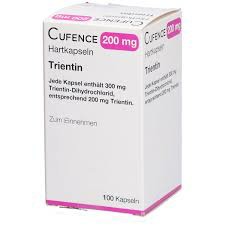
Studies have shown that TETA can promote urinary copper excretion and improve various pathological manifestations in animal experiments. In diabetic rats, intravenous injection of TETA resulted in a dose-dependent increase in urinary copper excretion, demonstrating its good pharmacological effects. Preliminary studies have also found that TETA can improve left ventricular hypertrophy in diabetic patients and animal models, and reverse the manifestations of diabetic nephropathy, including renal hypertrophy, renal fibrosis, glomerulosclerosis and proteinuria, without reducing high blood sugar levels. These results suggest that TETA may have a certain therapeutic effect on diabetes-related complications.
In addition,TETA’s antioxidant properties have also attracted attention. Copper cations act as pro-oxidants and activate pathways that produce excess reactive oxygen species (ROS), leading to tissue damage. Therefore, by chelating copper cations, TETA is able to reduce tissue damage caused by oxidative stress. At the same time, TETA has also been shown to have anti-angiogenic properties because copper is an essential element for angiogenesis in cancer cells, which makes TETA arouse widespread interest in anti-tumor research. Studies have shown that TETA can inhibit the activity of telomerase and may exhibit inhibitory effects or cytotoxicity on tumor growth.
Reference materials:https://go.drugbank.com/drugs/DB06824
[ 免责声明 ] 本页面内容来自公开渠道(如FDA官网、Drugs官网、原研药厂官网等),仅供持有医疗专业资质的人员用于医学药学研究参考,不构成任何治疗建议或药品推荐。所涉药品可能未在中国大陆获批上市,不适用于中国境内销售和使用。如需治疗,请咨询正规医疗机构。本站不提供药品销售或代购服务。


