
.jpeg)
Can I continue to take axitinib/axitinib after resistance?
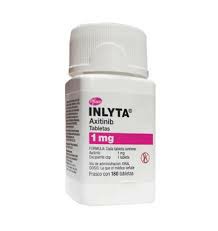
Axitinib/Axitinib is an oral small molecule tyrosine kinase inhibitor mainly used to treat malignant tumors such as advanced renal cell carcinoma. However, patients may sometimes develop resistance to axitinib during treatment, leading to discussions about whether to continue using the drug.
First of all, the mechanism of drug resistance is complex and may involve multiple factors such as tumor cell gene mutations, changes in drug metabolism, and changes in the tumor microenvironment. After drug resistance, the effect of axitinib may decrease significantly, resulting in weakened clinical efficacy. At this time, the significance of continuing to use the drug needs to be evaluated. If the patient still has some drug sensitivity after drug resistance, continued low-dose use may be able to delay disease progression, but this needs to be done under the guidance of a professional doctor.
Secondly, the tumor characteristics and biomarker detection of patients after drug resistance are very important. Through genome sequencing and other means, it can help to understand the resistance mechanism and determine whether it is still suitable to continue using axitinib. Some studies have shown that adjusting treatment regimens for specific gene mutations may improve efficacy, so it is necessary to re-evaluate patients' tumor characteristics after drug resistance.
In addition, from a clinical practice perspective, drug resistance does not mean the end of treatment. In some cases, doctors may consider combining axitinib with other medications to increase its effectiveness. For example, combined with immunotherapy drugs or other targeted drugs, it may be possible to overcome resistance problems and improve patients' survival and quality of life.
Finally, the patient's decision to continue axitinib after resistance should be based on the principle of individualized treatment. During this process, the patient's overall health, the rate of tumor progression, possible side effects, and response to new treatments should all be taken into consideration. Therefore, it is recommended that patients communicate closely with their doctors to jointly develop appropriate follow-up treatment plans.
Reference materials:https://pmc.ncbi.nlm.nih.gov/articles/PMC6860026/
[ 免责声明 ] 本页面内容来自公开渠道(如FDA官网、Drugs官网、原研药厂官网等),仅供持有医疗专业资质的人员用于医学药学研究参考,不构成任何治疗建议或药品推荐。所涉药品可能未在中国大陆获批上市,不适用于中国境内销售和使用。如需治疗,请咨询正规医疗机构。本站不提供药品销售或代购服务。


