
.jpeg)
The correct way to take obeticholic acid
Obeticholic acid is a drug used to treat primary biliary cholangitis (PBC). Before starting obeticholic acid, physicians need to conduct a thorough evaluation of the patient's liver function to ensure that they do not have symptoms of decompensated cirrhosis or compensated cirrhosis with portal hypertension.
For patients with PBC without cirrhosis or with only compensated cirrhosisThe recommended initial dose is 5 mg orally once daily for 3 months. At this time, the patient needs to ensure that there are no signs of portal hypertension during this period and that the patient has failed to produce an adequate biochemical response to an appropriate dose of ursodeoxycholic acid (UDCA) within the past year, or has developed an intolerance to UDCA. If, after 3 months of initial treatment, the patient does not experience a significant decrease in alkaline phosphatase (ALP) and/or total bilirubin levels and is able to tolerate treatment, the dose may be increased to 10 mg once daily, which is the maximum dose.
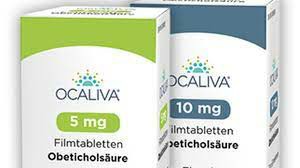
In terms of medication management, obeticholic acid can be taken with food or on an empty stomach. If the patient is taking bile acid binding resin, it is recommended to take the drug at least 4 hours before or after taking obeticholic acid to avoid interaction. If the patient has moderate or severe impairment of liver function (eg, Child-Pugh class B or C), the starting dose is usually lowered to 5 mg per week.
During treatment, the patient's liver function needs to be monitored regularly. If there are signs of hepatic decompensation or associated portal hypertension, or if the patient experiences significant adverse reactions, use of the drug must be discontinued immediately. In addition, for patients who cannot tolerate a daily dose of 5 mg, it can be adjusted to 5 mg every other day, or for patients who cannot tolerate a daily dose of 10 mg, adjust it back to 5 mg daily. There is also the option of temporarily interrupting treatment, if necessary, for a maximum of two weeks, and then restarting and gradually increasing the dose based on the patient's biochemical response and tolerance.
Reference materials:https://dailymed.nlm.nih.gov/dailymed/drugInfo.cfm?setid=cdfbe0cd-eb15-45a1-ac17-531bcda21aec
[ 免责声明 ] 本页面内容来自公开渠道(如FDA官网、Drugs官网、原研药厂官网等),仅供持有医疗专业资质的人员用于医学药学研究参考,不构成任何治疗建议或药品推荐。所涉药品可能未在中国大陆获批上市,不适用于中国境内销售和使用。如需治疗,请咨询正规医疗机构。本站不提供药品销售或代购服务。


