
.jpeg)
None
Rozebalamin (methylcobalamin), as a new drug for the treatment of amyotrophic lateral sclerosis (ALS), has certain clinical potential, especially in slowing disease progression and improving neurological function. However, its effectiveness and reliability still require further clinical data support. Methylcobalamin is a derivative of active vitamin B12 that has neuroprotective effects and can combat nerve damage caused by ALS by promoting the repair and regeneration of nerve cells. Clinical trial results of the drug show that it can improve motor function and slow the progression of the disease in ALS patients, but its efficacy does not apply to all patients.
Although preliminary research shows that Rozebalamin (methylcobalamin) has a positive therapeutic effect on ALS patients, especially in delaying neurological decline. It has certain potential, but it is not a cure for ALS. ALSIt is a very complex and rapidly progressive neurodegenerative disease, and its treatment faces huge challenges. The main function of methylcobalamin is to slow down neurodegeneration, help repair damaged nerve tissue, and enhance the self-repair ability of the nervous system, but it cannot reverse the nerve damage that has been caused. Therefore, although it is effective for some patients, its effectiveness is still affected by individual differences.
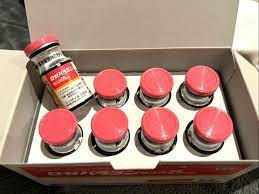
Another noteworthy issue is that although Rozebalamin (methylcobalamin) has been approved for marketing in Japan and has been included in the ALS treatment regimen, its general adaptability and long-term effects still need to be verified through larger-scale clinical studies. The efficacy of methylcobalamin may vary in patients with ALS at different stages of the disease. For example, patients with early-stage ALS may benefit more from the nerve-repairing effects of methylcobalamin, while late-stage patients may have limited efficacy due to the irreversibility of nerve damage. Therefore, the effects of methylcobalamin use vary depending on the patient's specific situation.
Overall,Rozebalamin (methylcobalamin) acts as a ALSAdjuvant therapy can slow disease progression and improve neurological function in some patients, but it is not a final solution to cure the disease. Patients should use it under the guidance of a doctor and combine it with other treatments to improve the efficacy. For each ALS patient, the treatment plan should be personalized, taking into account the pros and cons of different drugs and therapies in order to achieve the best therapeutic effect.
xa0
References:
[1]https://pins.japic.or.jp/pdf/newPINS/00071540.pdf
[2]https://www.eisai.com/news/2024/news202487.html
[ 免责声明 ] 本页面内容来自公开渠道(如FDA官网、Drugs官网、原研药厂官网等),仅供持有医疗专业资质的人员用于医学药学研究参考,不构成任何治疗建议或药品推荐。所涉药品可能未在中国大陆获批上市,不适用于中国境内销售和使用。如需治疗,请咨询正规医疗机构。本站不提供药品销售或代购服务。


