
.jpeg)
Is bosutinib/bosutinib a second- or third-generation drug?
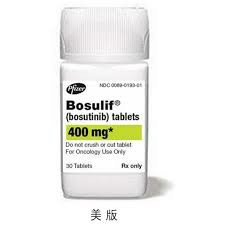
Bosutinib/Bosutinib is an oral second-generation BCR-ABL1 tyrosine kinase inhibitor (TKI). Since it was first approved for the treatment of patients with chronic myelogenous leukemia (CML) in 2012, it has gradually become an important option for the treatment of this disease. According to relevant guidelines from the European Medicines Agency (EMA) and the Food and Drug Administration (FDA), bosutinib is mainly used for patients with chronic phase, accelerated phase and blast phase CML who still have resistance or intolerance after receiving one or more TKI treatments. In 2017 and 2018, bosutinib was approved as a first-line treatment for adults with newly diagnosed chronic-phase CML.
The efficacy of bosutinib has been studied in depth in several large trials. In a phase 1/2 study, the therapeutic effect of bosutinib 500 mg once daily (QD) on CML was studied in patients with imatinib resistance or intolerance. This study divided patients into two groups for analysis: one group was second-line patients who received imatinib alone, and the other group was patients who received third-line or subsequent treatment with imatinib combined with other drugs (such as dasatinib and/or nilotinib).
For first-line treatment,The BELA trial compared 500 mg QD bosutinib with 400 mg QD imatinib. Although complete cytogenetic response rates were similar in both arms at 12 months (70% for bosutinib and 68% for imatinib), bosutinib failed to gain regulatory approval for first-line use due to higher discontinuation rates, primarily due to adverse events. However, the BFORE study showed that after lowering the starting dose of bosutinib to 400 mg QD, the efficacy of bosutinib was significantly improved compared with imatinib. The 12-month major molecular response rates were 47.2% and 36.9% respectively (P=0.02), and the complete cytogenetic response rate was also significantly improved.
For the treatment of≥2L, the study results also show the good efficacy of bosutinib. In this phase of the study, 31% of patients achieved major cytogenetic response at 24 weeks on 500 mg QD, and at long-term follow-up, 86% of patients achieved complete hematologic response. In addition, after 5 years of long-term observation, 60% of patients still maintained major cytogenetic remission, and the overall survival rate reached 84%.
Among patients who received 3L or subsequent therapy, 32% achieved major cytogenetic response and 73% achieved complete hematologic response. During long-term follow-up, this group of patients had a progression-free survival rate of 73% and an overall survival rate of 83% at 2 years. Four years of follow-up showed that these patients had a major cytogenetic response rate of 40% and an overall survival rate of 78%.
In terms of safety, the side effects of bosutinib are consistent with early studies. The most common adverse events include diarrhea, nausea, thrombocytopenia and an increase in liver function indicators. In the BFORE study, the incidence of diarrhea and nausea in the bosutinib group was 70.1% and 35.1%, which are consistent with the results of previous studies, indicating that the safety of bosutinib has been verified.
Reference materials:https://jhoonline.biomedcentral.com/articles/10.1186/s13045-018-0685-2
[ 免责声明 ] 本页面内容来自公开渠道(如FDA官网、Drugs官网、原研药厂官网等),仅供持有医疗专业资质的人员用于医学药学研究参考,不构成任何治疗建议或药品推荐。所涉药品可能未在中国大陆获批上市,不适用于中国境内销售和使用。如需治疗,请咨询正规医疗机构。本站不提供药品销售或代购服务。


