
.jpeg)
Can Rozebalamin (methylcobalamin) be used with other medications?
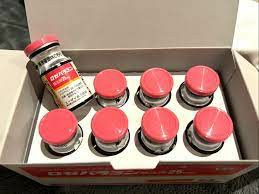
Rozebalamin (methylcobalamin) is a drug used to treat neurological diseases such as amyotrophic lateral sclerosis (ALS). It is a derivative of vitamin B12. When used in combination with other drugs, special attention needs to be paid to drug-drug interactions to ensure the safety and effectiveness of the treatment. Here are a few key things to know about using Rozebalamin in combination with other medications:
1. Drug interactions of Rozebalamin
Rozebalamin(Methylcobalamin) has not been reported to have significant drug interactions with most commonly used drugs in clinical use. However, because methylcobalamin mainly works by replenishing vitamin B12 required by nerve cells, caution is still needed when combining it with other drugs, especially those that may affect vitamin B12 metabolism. For example, certain drugs may alter the absorption, metabolism, or excretion of methylcobalamin, thereby affecting its therapeutic effectiveness.
2. Drugs that affect vitamin B12 metabolism
Some drugs may affect the absorption or metabolism of vitamin B12 and may therefore reduce its effectiveness when used with Rozebalamin. Common ones include the following types of drugs:
Antacid drugs (such as proton pump inhibitors and H2 receptor antagonists): These drugs relieve stomach discomfort by reducing the secretion of stomach acid, which is essential for the absorption of vitamin B12. Long-term use of antacids may lead to malabsorption of vitamin B12, thereby affecting the effectiveness of Rozebalamin.
Certain diabetes drugs (such as metformin): Metformin is a common diabetes drug that treats type 2 diabetes by lowering blood sugar levels. Research shows that metformin may affect the absorption of vitamin B12, so vitamin B12 levels need to be monitored closely if used with Rozebalamin.
Antibiotics: Certain antibiotics, especially broad-spectrum antibiotics, may interfere with the normal growth of intestinal bacteria that contain vitamin B12plays an important role in the synthesis. Long-term use of these drugs may indirectly affect vitamin B12 levels, thereby affecting the efficacy of Rozebalamin.
3. Combined use with other neurological drugs
For people with amyotrophic lateral sclerosis (ALS) or other neurological diseases, other medications may be needed in combination to manage symptoms or slow the progression of the disease. Common combination medications include antispasmodics, analgesics, antidepressants, etc. In most cases, Rozebalamin (methylcobalamin) can be used safely with these drugs, but only under the guidance of a doctor, especially if the patient has multiple comorbidities.
Anti-spasmodic drugs: such as benzodiazepines and muscle relaxants. These drugs are commonly used to control muscle spasms or pain in ALS patients, and Rozebalamin usually does not interact significantly with these drugs. The doctor will adjust the type and dosage of the drug based on the patient's symptoms.
Antidepressants: Many ALS patients may use antidepressants to improve their mood due to the psychological stress caused by the disease. Commonly used antidepressants include selective 5-serotonin reuptake inhibitors (SSRIs) and tricyclic antidepressants. These drugs have fewer interactions with Rozebalamin, but possible side effects still need to be monitored, especially if the patient is taking multiple medications.
4. Precautions and consultation with a physician
While usingRozebalamin, patients should always tell their doctor about all medications they are taking, including prescription drugs, over-the-counter drugs, and any supplements or herbal treatments. Although Rozebalamindoes not have significant drug interactions with many medications, individual differences may lead to different reactions.
Regular examination: Especially when patients require long-term use of Rozebalamin, vitamin B12 levels and other biochemical indicators that may be affected should be regularly monitored. For example, patients taking antacids or diabetes medications should have their vitamin B12 levels checked regularly and their treatment regimen adjusted as needed.
Physician guidance: Because drug-drug interactions vary among individuals, patients should use Rozebalamin and other drugs under the supervision of a physician. Doctors will evaluate the risk of drug interactions based on the patient's specific situation and adjust the treatment plan appropriately.
Overall,Rozebalamin (methylcobalamin) is mostly safe when used in combination with other medications, especially conventional neurologic medications. However, some drugs, such as antacid drugs, diabetes drugs and antibiotics, may affect the absorption and metabolism of vitamin B12, so they need to be used under the guidance of a doctor. When using Rozebalamin, patients should communicate with their doctors regularly to ensure the safety and effectiveness of the drug and avoid possible drug interactions.
xa0
References:
[1]https://pins.japic.or.jp/pdf/newPINS/00071540.pdf
[2]https://www.eisai.com/news/2024/news202487.html
[ 免责声明 ] 本页面内容来自公开渠道(如FDA官网、Drugs官网、原研药厂官网等),仅供持有医疗专业资质的人员用于医学药学研究参考,不构成任何治疗建议或药品推荐。所涉药品可能未在中国大陆获批上市,不适用于中国境内销售和使用。如需治疗,请咨询正规医疗机构。本站不提供药品销售或代购服务。


