
.jpeg)
What are the differences between obeticholic acid and ursodeoxycholic acid
Obeticholic acid (Obeticholic acid) and ursodeoxycholic acid (UDCA) are both drugs used to treat primary biliary cholangitis (PBC), but they have significant differences in their mechanisms of action, indications, and clinical applications.
First, obeticholic acid is a selective farnesoidX receptor (FXR) agonist that received accelerated approval in 2016 for use in patients with PBC who have an inadequate response to ursodeoxycholic acid, or as a single treatment option for adults who cannot tolerate UDCA. In contrast, ursodeoxycholic acid is widely used in a variety of diseases, including PBC, gallbladder disease, and non-alcoholic steatohepatitis. Although both drugs may be used for other indications not listed in the guidelines, their primary uses differ.
Primary cholangitis is an autoimmune disease characterized by damage to the bile ducts, leading to cholestasis and inflammation, ultimately affecting liver function, often manifested by elevated serum alkaline phosphatase levels. This damage can lead to cirrhosis of the liver, so the disease is also called primary biliary cirrhosis. In this context, the therapeutic goal of ursodeoxycholic acid is to improve patient outcomes by slowing disease progression and delaying the need for liver transplantation. Studies have shown that ursodeoxycholic acid can promote bile flow and reduce the impact of cholestasis on the liver without inhibiting the synthesis of bile acids.
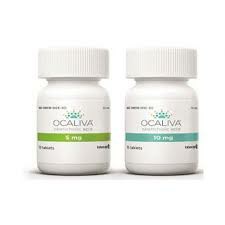
Relatively speaking, obeticholic acid effectively reduces bile acid concentration in the liver by activatingFXR, thereby reducing inflammation and fibrosis, showing a stronger therapeutic effect. Clinical trial results show that obeticholic acid is well tolerated and has a significant improvement effect in improving liver biochemical indicators related to cholestasis. For example, obeticholic acid has shown the ability to significantly reduce immunological parameters such as serum alkaline phosphatase, alanine aminotransferase (ALT), aspartate aminotransferase (AST) and C-reactive protein (CRP) in trials of PBC patients. Improvements in these indicators indicate its protective effect on liver function and delaying disease progression.
Studies on combination treatments have also revealed some interesting findings. For patients who have poor response to or intolerance to ursodeoxycholic acid, the introduction of obeticholic acid into their treatment is a reasonable option. Although most patients experience a decrease in alkaline phosphatase concentrations after obeticholic acid administration, uncertainty remains regarding its clinical outcome. In a double-blind Phase III trial, there was no significant difference in improvement in liver fibrosis between obeticholic acid and placebo, and the 10-year predicted risk of death or liver transplantation decreased only slightly, from 20% at baseline to 18.95% at 48 months.
The meta-analysis also showed that combination treatment with obeticholic acid and ursodeoxycholic acid was better than monotherapy in improving the primary endpoint.There is no significant difference between UDCA, but combination therapy is significantly better than single drug therapy in reducing liver biochemical indicators and certain immunological parameters. This provides new ideas and evidence support for reasonable combination therapy for patients with refractory PBC.
Reference materials:https://www.drugs.com/compare/obeticholic-acid-vs-ursodiol
[ 免责声明 ] 本页面内容来自公开渠道(如FDA官网、Drugs官网、原研药厂官网等),仅供持有医疗专业资质的人员用于医学药学研究参考,不构成任何治疗建议或药品推荐。所涉药品可能未在中国大陆获批上市,不适用于中国境内销售和使用。如需治疗,请咨询正规医疗机构。本站不提供药品销售或代购服务。


