
.jpeg)
What are the latest research developments or news on obeticholic acid in 2025?
Based on a new review of postmarketing clinical trial data, the U.S. Food and Drug Administration (FDA) issued an important safety alert regarding the use of obeticholic acid on December 12, 2024, noting cases of severe liver injury observed in patients with primary cholangitis (PBC) who had no history of cirrhosis. Previous studies have shown that patients with advanced cirrhosis have a significant risk of severe liver injury when taking obeticholic acid, so the FDA has updated the drug's prescribing information and restricted its use in these patients.
A recent FDA review found that some cases of liver injury resulted in liver transplantation, even in patients without cirrhosis, and that patients treated with obeticholic acid had a significantly increased risk compared with placebo. Based on these findings, the FDA has restricted the use of obeticholic acid in patients with advanced cirrhosis since 2021 and added a new contraindication to warn that it may cause serious harm to such patients.
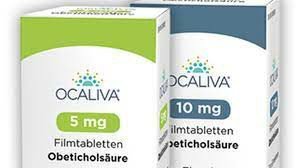
Despite the restrictions, a recent review of case reports submitted to the FDA found that some patients with PBC and advanced cirrhosis continued to use the drug. Therefore, the FDA reminds healthcare professionals and patients to pay attention to this new safety information and emphasizes the importance of regular liver examinations to promptly identify worsening liver function and promptly discontinue obeticholic acid if necessary. It is unclear whether existing surveillance measures are sufficient to prevent the development of severe liver injury. If you notice signs of liver disease progression or if symptoms do not improve, use of this drug should be discontinued immediately. At the same time, medical staff need to explain the symptoms of worsening liver damage to patients and instruct them to seek medical treatment promptly when relevant symptoms occur.
In an evaluation of liver safety in patients who were eligible for treatment with obeticholic acid, the FDA found that the risk of liver transplantation and death was significantly increased in patients who received obeticholic acid compared with placebo. Seven of the 81 patients who received obeticholic acid required a liver transplant, compared with only one of the 68 patients who received placebo. In addition, four patients who received obeticholic acid died, compared with only one in the placebo group. These data further highlight the importance of continued monitoring of liver health and immediate discontinuation of the drug if signs of progression of cirrhosis occur.
Reference materials:https://www.fda.gov/drugs/fda-drug-safety-podcasts/serious-liver-injury-being-observed-patients-without-cirrhosis-taking-ocaliva-obeticholic-acid-treat
[ 免责声明 ] 本页面内容来自公开渠道(如FDA官网、Drugs官网、原研药厂官网等),仅供持有医疗专业资质的人员用于医学药学研究参考,不构成任何治疗建议或药品推荐。所涉药品可能未在中国大陆获批上市,不适用于中国境内销售和使用。如需治疗,请咨询正规医疗机构。本站不提供药品销售或代购服务。


