
.jpeg)
Resistance treatment of mavacamten
Mavacamten (mavacamten) is a drug used to treat symptomatic obstructive hypertrophic cardiomyopathy. Although it has shown good efficacy in clinical application, patients may develop drug resistance in some cases. Drug resistance means that after a patient receives treatment for a period of time, the effect of the drug weakens or disappears, and the expected therapeutic effect cannot be achieved. This phenomenon may bring challenges to the treatment of patients, so it is particularly important to understand the treatment options for drug resistance.
First, the occurrence of drug resistance may be related to the metabolism of the drug, the patient's physiological state, and other comorbidities. In clinical practice, doctors need to regularly evaluate changes in patients' condition, including improvement in heart function and symptom relief. If the patient's symptoms cannot be effectively controlled within a period of time, or there are signs of deterioration of cardiac function, physicians should consider whether drug resistance exists.
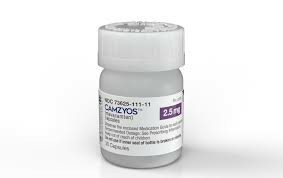
The first step in dealing with drug resistance is to conduct a detailed history and physical examination to rule out other factors that may affect the condition, such as drug interactions, concomitant use of other drugs, lifestyle changes, etc. In addition, doctors may also order laboratory tests to evaluate liver and kidney function and other related indicators to ensure that drug metabolism will not be affected.
After confirming resistance, doctors may consider adjusting the dose of Mavacartide. Sometimes, an appropriate increase in drug dosage can restore efficacy. However, it should be noted that dosage adjustment must be carried out under the guidance of a professional physician to avoid the aggravation of side effects or the occurrence of other adverse reactions. At the same time, attention should also be paid to the patient's tolerance to the drug, the occurrence of any side effects should be recorded in a timely manner, and corresponding adjustments should be made based on the actual situation.
In addition to adjusting the dose, doctors may also consider combination treatment options. In some cases, a single drug may not meet the patient's treatment needs, and the therapeutic effect can be enhanced by combining it with other drugs. For example, combining mavacate with other heart drugs may improve the overall effectiveness of treatment and thereby overcome drug resistance issues. However, when formulating combination treatment regimens, interactions and potential risks between each drug must be carefully evaluated to ensure patient safety.
Reference materials:https://www.sciencedirect.com/science/article/pii/S1547527124036257
[ 免责声明 ] 本页面内容来自公开渠道(如FDA官网、Drugs官网、原研药厂官网等),仅供持有医疗专业资质的人员用于医学药学研究参考,不构成任何治疗建议或药品推荐。所涉药品可能未在中国大陆获批上市,不适用于中国境内销售和使用。如需治疗,请咨询正规医疗机构。本站不提供药品销售或代购服务。


