
.jpeg)
Why is mavacamten not recommended?
Mavacamten (mavacamten) has shown modest efficacy in the treatment of symptomatic obstructive hypertrophic cardiomyopathy (HCM), but there are reasons why its use is not recommended, often involving the specific clinical context of the individual patient, safety considerations, and potential drug interactions.
While most patients experience improvement in their symptoms using this drug, not all patients are candidates for it. In some patients, particularly those with a significant reduction in left ventricular ejection fraction (EF) (e.g., less than 50%), mavacate may worsen cardiac dysfunction. In this case, the doctor may recommend stopping the medication to avoid further deterioration of heart function. This individual consideration makes Mavaketai not the best choice in some cases.
Secondly, drug safety and tolerability are also important issues. Although the results of the study showed that Mavacartide was well tolerated and no new or unexpected adverse events were reported, in practical applications, attention still needs to be paid to possible side effects. For example, medications may cause hypotension, arrhythmias, or other heart-related problems, especially if the patient's cardiac function needs to be closely monitored during dose adjustment or use. Therefore, doctors may be more cautious about using this drug in patients with serious underlying medical conditions or a history of heart disease.
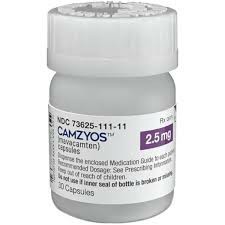
In addition, the use of Mavacartide may also be affected by other drugs. Due to the potential for interactions between different medications, certain patients may need to be evaluated for appropriate use of Malvacartide while receiving other treatments. If the patient is taking medications that adversely affect cardiac function, use of Mavacartide may be delayed or canceled and must be fully communicated and evaluated with the medical team.
Furthermore, for patients who require invasive treatment, the effect of Mavacate may not be sufficient to replace other more direct treatments. Although Mavaceta can improve symptoms and reduce heart obstruction, in some cases, especially in patients with more severe disease, surgery may still be needed to remove part of the thickened myocardium or perform alcohol septal ablation to effectively relieve symptoms. In these cases, reliance on medication may result in a delay in optimal treatment.
Finally, patient compliance and compliance are also factors that influence medication use. The use of Mavaceta requires regular dose adjustment and monitoring in accordance with the guidance of a doctor, which may cause a certain burden for some patients. If patients fail to follow these requirements, the effectiveness of the medication may be affected, resulting in less effective treatment. Therefore, for some patients with complex lifestyles or cognitive impairment, the use of Mavacartide may be suboptimal.
Reference materials:https://www.acc.org/About-ACC/Press-Releases/2022/04/03/13/09/Mavacamtens-Efficacy-and-Safety-in-Treating-Obstructive-Hypertrophic-Cardiomyopathy-Holds-Up-in-Extension-Trial
[ 免责声明 ] 本页面内容来自公开渠道(如FDA官网、Drugs官网、原研药厂官网等),仅供持有医疗专业资质的人员用于医学药学研究参考,不构成任何治疗建议或药品推荐。所涉药品可能未在中国大陆获批上市,不适用于中国境内销售和使用。如需治疗,请咨询正规医疗机构。本站不提供药品销售或代购服务。


