
.jpeg)
Resistance management of eltrombopag
Eltrombopag is an oral thrombopoietin receptor agonist commonly used to treat chronic immune thrombocytopenia (ITP) and other thrombocytopenias. It increases platelet production by stimulating thrombopoietin receptors, promoting the division and maturation of megakaryocytes in the bone marrow. Although eltrombopag is usually effective in increasing patients' platelet counts, as treatment time increases, some patients may develop drug resistance, resulting in a decrease in drug effectiveness.
The mechanism of eltrombopag resistance is not fully understood, but may be related to the following factors:
1.Thrombopoietin receptor (TPO-R) mutation: Eltrombopag works by activating the thrombopoietin receptor, and some patients may become resistant to this drug due to mutations in the thrombopoietin receptor gene. These mutations may affect the structure or function of the receptor, making it impossible for eltrombopag to effectively activate the receptor, resulting in reduced platelet production.
2.Changes in the bone marrow microenvironment: In some patients, the bone marrow microenvironment changes, resulting in a weakened response of megakaryocytes to eltrombopag. For example, inhibitory cytokines or other immune factors present in the bone marrow may hinder the action of eltrombopag, thereby affecting platelet production.
3.Drug metabolism changes: Individual metabolic differences may also affect the efficacy of eltrombopag. Different patients have different metabolic enzyme activities, which may cause the concentration of the drug in the body to be less than the therapeutic level, thereby affecting the effect of the drug.
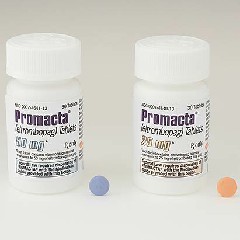
Facing the problem of eltrombopag resistance, adjustment of treatment strategies is crucial. The following are several common ways to treat drug resistance:
1.Increase the dose or adjust the medication regimen: For partially drug-resistant patients, increasing the dose of eltrombopag may help overcome drug resistance. However, dosage adjustments need to be made under the guidance of a doctor, as too high a dosage may cause side effects.
2.Combination therapy: If eltrombopag alone doesn't control platelet levels, your doctor may recommend using it in combination with other medications. For example, combining immunosuppressive drugs (such as corticosteroids or cyclosporine) may enhance the effectiveness of treatment. Studies have also shown that the combination of eltrombopag with other thrombopoietin receptor agonists or targeted therapies may improve the therapeutic effect.
3.Switching drugs or treatment strategies: If resistance cannot be overcome by dose adjustment or combination therapy, switching drugs or adopting a different treatment strategy may need to be considered. For example, consider using other thrombopoietin receptor agonists or using other types of immunomodulatory therapy.
4.Immunotherapy: For drug resistance caused by immune diseases, immunosuppressive treatment, such as IVIg (immunoglobulin) or other immunomodulatory drugs, can be considered to control the destruction of platelets by the immune system. Immunotherapy may be helpful, especially in patients with an autoimmune response.
5.Gene testing: For some drug-resistant patients, genetic testing can be performed to find out whether there are mutations related to drug resistance. Genetic testing can help clarify resistance mechanisms and guide subsequent treatment choices.
In general, the resistance to eltrombopag is not unsolvable. When faced with resistance, patients should cooperate with their doctors to adjust the treatment plan according to the specific situation and choose an appropriate treatment strategy.
[ 免责声明 ] 本页面内容来自公开渠道(如FDA官网、Drugs官网、原研药厂官网等),仅供持有医疗专业资质的人员用于医学药学研究参考,不构成任何治疗建议或药品推荐。所涉药品可能未在中国大陆获批上市,不适用于中国境内销售和使用。如需治疗,请咨询正规医疗机构。本站不提供药品销售或代购服务。


