
.jpeg)
What should I do if I develop resistance to crizotinib?
Crizotinib is an important targeted therapy drug for the treatment of patients with non-small cell lung cancer (NSCLC) with ALK (anaplastic lymphoma kinase) gene rearrangement. However, although crizotinib shows significant efficacy in many patients, some patients may develop drug resistance over time, resulting in reduced efficacy. The mechanism of drug resistance is complex and involves changes in multiple molecular pathways. This article will explore the resistance mechanisms and coping strategies of crizotinib.
Mechanisms of resistance to crizotinib
1.ALKgene mutation: One of the most common mechanisms of crizotinib resistance is ALKgene mutation. The most common mutation is the L1196M mutation, which is located in the kinase domain of the ALK protein and can enhance the activity of the ALK kinase, resulting in a reduction in the binding ability of crizotinib to ALK. Other mutations, such asG1202R, can confer similar resistance. These mutations often reduce the inhibitory effect of drugs on ALK and promote the continued growth of cancer cells.
2.Activation of other signaling pathways: In addition to ALK mutations, some patients' tumor cells may overcome the inhibitory effect of crizotinib by activating other alternative signaling pathways. For example, amplification of the MET gene is often associated with resistance to crizotinib. METamplification can enhance the activity of the MET signaling pathway, promote the growth and survival of tumor cells, and thereby inhibit the effects of the ALK pathway.
3.Changes in angiogenesis: In addition, crizotinib may also change the tumor microenvironment by promoting angiogenesis, enhancing the blood supply and growth of the tumor, thereby helping tumor cells escape drug inhibition.
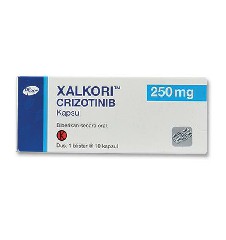
Strategies to deal with crizotinib resistance
1.Use second- and third-generation ALK inhibitors: For patients with ALK mutations leading to drug resistance, switching to second- and third-generation ALK inhibitors is an effective strategy. For example, alectinib (Alectinib) and brigatinib (Brigatinib) are second-generation ALK inhibitors that can overcome some of the resistance caused by ALK mutations. Third-generation ALK inhibitors such as lorlatinib (Lorlatinib) can effectively inhibit L1196M and G1202R include multiple ALK mutations, so oclacitinib provides an effective alternative for patients with crizotinib resistance.
2.Combination therapy: For other resistance mechanisms such as MET amplification, the combination of crizotinib and drugs targeting these mechanisms may be helpful. For example, combining crizotinib with a MET inhibitor (such as crizotinib with tivantinib) can combat resistance caused by MET amplification. In addition, targeted immunotherapy drugs (such as PD-1/PD-L1 inhibitors) may also be used in combination with crizotinib to enhance the anti-tumor effect.
3.Personalized treatment strategy: For patients with drug-resistant non-small cell lung cancer, personalized treatment plans are particularly important. With a deeper understanding of the genomic characteristics of tumors, treatment options that target specific genetic mutations or other molecular characteristics can help doctors develop the most effective treatment plan for patients.
Crizotinib resistance is a common challenge in clinical treatment, and the resistance mechanisms are complex and diverse. Despite this, with in-depth research on the mechanism of resistance and the emergence of a new generation of ALK inhibitors, patients can still obtain better therapeutic effects through strategies such as drug replacement or combination therapy. Patients should work closely with their doctors to undergo regular genetic testing and treatment evaluations to adjust treatment plans.
[ 免责声明 ] 本页面内容来自公开渠道(如FDA官网、Drugs官网、原研药厂官网等),仅供持有医疗专业资质的人员用于医学药学研究参考,不构成任何治疗建议或药品推荐。所涉药品可能未在中国大陆获批上市,不适用于中国境内销售和使用。如需治疗,请咨询正规医疗机构。本站不提供药品销售或代购服务。


