
.jpeg)
What indicators need to be checked regularly while taking lomustine capsules?
While taking lomustine capsules, patients need to undergo a series of regular examinations in order to monitor the efficacy of the drug and detect possible side effects in a timely manner. Here are some key metrics to check regularly:
1. Routine blood tests: Lomustine may cause bone marrow suppression, especially a decrease in the number of white blood cells, red blood cells and platelets. To monitor for this potential side effect, patients need regular blood tests. Routine blood tests can reveal the patient's white blood cell count, red blood cell count, platelet count, and hemoglobin level. Changes in these indicators can help doctors evaluate the degree of bone marrow suppression, adjust drug dosage or take other treatment measures in a timely manner. If significant reductions in white blood cells or platelets are found, the drug may need to be temporarily discontinued or the next treatment may be delayed.
2. Liver function test: Lomustine is mainly metabolized by the liver in the body, so it may have certain toxic effects on the liver. It is important to check liver function regularly to detect signs of liver damage early. Liver function tests usually include measurement of serum aminotransferases (such as AST, ALT), bilirubin, alkaline phosphatase and other indicators. Elevations in these markers may indicate liver damage. If liver function is abnormal, the doctor may adjust the dose of the drug or temporarily stop the drug to avoid increasing the burden on the liver.
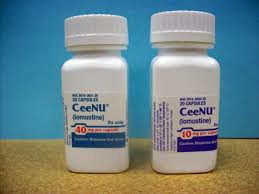
3. Renal function test: Although lomustine is mainly metabolized by the liver, changes in renal function may still affect the excretion of the drug. During the treatment process, patients should regularly check renal function, especially urea nitrogen (BUN), creatinine and other indicators. Patients with renal impairment may need dose adjustments while taking lomustine to avoid accumulation of the drug in the body and increased risk of toxicity.
4. Electrolyte level monitoring: Lomustine may cause some gastrointestinal side effects, such as vomiting and diarrhea, and these symptoms may lead to electrolyte imbalance. Therefore, it is important to regularly check serum electrolyte levels such as potassium, sodium, and calcium. If electrolyte abnormalities are found, doctors can take steps to correct them and avoid affecting the normal function of the heart and muscles.
5. Pulmonary function monitoring: Although pulmonary toxicity is relatively rare, lomustine may cause acute respiratory distress syndrome or interstitial lung disease. Therefore, patients should pay attention to their lung health while taking lomustine, and seek medical attention promptly if symptoms such as cough, shortness of breath, or chest pain occur. Regular chest imaging tests (such as chest X-rays or CT scans) can help detect lung abnormalities early.
In summary, during the period of taking lomustine capsules, regular monitoring of blood routine, liver function, kidney function, electrolyte levels and lung function is the key to ensuring the safety and effectiveness of treatment. Patients should cooperate closely with their doctors, conduct examinations on time, and adjust treatment plans based on examination results.
[ 免责声明 ] 本页面内容来自公开渠道(如FDA官网、Drugs官网、原研药厂官网等),仅供持有医疗专业资质的人员用于医学药学研究参考,不构成任何治疗建议或药品推荐。所涉药品可能未在中国大陆获批上市,不适用于中国境内销售和使用。如需治疗,请咨询正规医疗机构。本站不提供药品销售或代购服务。


