
.jpeg)
Which one is better, bosutinib/bosutinib or suvotinib?
Bosutinib/Bosutinib and Surufatinib are two different types of targeted anti-cancer drugs. Although they may overlap in certain treatment areas, they have significant differences in their mechanisms of action, indications and clinical effects.
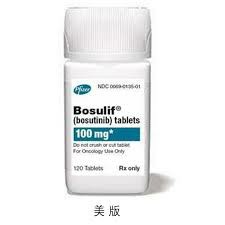
Bosutinib is a tyrosine kinase inhibitor that targets Philadelphia chromosome-positive chronic myelogenous leukemia (CML). Bosutinib was designed to overcome resistance to certain mutations of first- and second-generation tyrosine kinase inhibitors such as imatinib and dasatinib, particularly in patients with chronic myeloid leukemia, where its potent inhibition of the BCR-ABL fusion protein makes it an effective treatment option. In clinical studies, bosutinib has shown promising efficacy, especially in patients who have developed resistance to other TKIs. Common adverse reactions include diarrhea, abnormal liver function and fatigue.
Suvotinib is a new type of small molecule targeted drug, mainly used to treat pancreatic neuroendocrine tumors (PNET) and other related solid tumors. The mechanism of suvotinib is mainly to inhibit tumor angiogenesis and cell proliferation by inhibiting VEGFR (vascular endothelial growth factor receptor), FGFR (fibroblast growth factor receptor) and other key signaling pathways. Compared with bosutinib, suvotinib's clinical application is mainly focused on the treatment of solid tumors, especially in pancreatic neuroendocrine tumors, showing better efficacy.
When comparing the effects of the two, first consider their respective indications. Bosutinib focuses on hematological tumors, while suvotinib targets solid tumors. Within the corresponding scope of indications, the curative effects displayed by the two are also different. For example, in the treatment of chronic myelogenous leukemia, bosutinib has shown efficient anti-tumor activity because of its specific inhibition of the BCR-ABL fusion protein. In the management of pancreatic neuroendocrine tumors, suvotinib can effectively control tumor progression due to its multi-target mechanism of action, and has also shown good efficacy and safety in some clinical trials.
In terms of clinical research, the effectiveness of bosutinib has been verified in multiple large clinical trials. These studies have shown that bosutinib can not only improve patients’ survival but also improve their quality of life. Bosutinib also provides an effective treatment option for patients who have been treated with other TKIs. Suvotinib has also demonstrated its anti-tumor activity in studies on the treatment of pancreatic neuroendocrine tumors, providing new hope especially for patients who are refractory to traditional chemotherapy or other targeted therapies.
In terms of adverse reactions, common side effects of bosutinib include diarrhea, abnormal liver function, rash, etc., which can usually be controlled through symptomatic treatment. The side effects of suvotinib include high blood pressure, diarrhea, fatigue, etc., and some patients may have abnormal liver function. The management of these adverse reactions is critical to patients' treatment compliance and quality of life, and therefore needs to be properly monitored and handled in clinical use.
Reference materials:https://pubmed.ncbi.nlm.nih.gov/33733983/
[ 免责声明 ] 本页面内容来自公开渠道(如FDA官网、Drugs官网、原研药厂官网等),仅供持有医疗专业资质的人员用于医学药学研究参考,不构成任何治疗建议或药品推荐。所涉药品可能未在中国大陆获批上市,不适用于中国境内销售和使用。如需治疗,请咨询正规医疗机构。本站不提供药品销售或代购服务。


