
.jpeg)
Latest clinical trials of fostamatinib
Fostamatinib (Fostamatinib) is an oral splenic tyrosine kinase inhibitor that has been approved by the U.S. Food and Drug Administration (FDA) for the treatment of adult patients with chronic immune thrombocytopenia (ITP). However, new clinical studies have recently been conducted on the potential use of fotantinib in the treatment of COVID-19. Although there have been some advances in the treatment of COVID-19, the mortality rate among patients hospitalized with COVID-19 and hypoxemia remains high, making it particularly important to explore whether drugs targeting circulating immune cells associated with thromboinflammation can improve the prognosis of COVID-19 patients.
The mechanism of action of fotantinib involves blocking the activation of neutrophils, macrophages and platelets, which play an important role in thromboinflammation related to COVID-19. In vitro studies have confirmed that in plasma samples of COVID-19 patients, fotantinib can effectively inhibit the release of extracellular traps (NETs) by neutrophils. These NETs are composed of DNA-histone complexes and immunomodulatory proteins. The network structures they form can cause epithelial and endothelial damage and promote thrombosis. In addition, fotantinib can also inhibit the antigen-antibody complex-mediated activation of macrophages and platelets, thereby affecting the inflammatory pathways related to thromboinflammation, reducing acute lung injury, and thereby accelerating the recovery of patients with COVID-19.
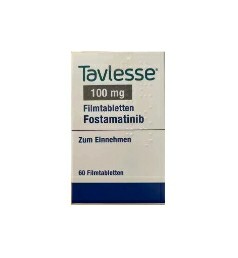
In a Phase 2 study in 2024, fotantinib demonstrated favorable safety and significant mean changes on an 8-point ordinal scale in adult patients treated for COVID-19. Preliminary results from a recent unpublished phase 3 trial showed that fotantinib increased the number of days without oxygen supplementation in adult patients being treated for COVID-19. To further verify whether fotantinib can improve the prognosis of patients with COVID-19, the research team designed a phase 3, placebo-controlled, randomized clinical trial to evaluate the effect of fotantinib on patients with hypoxemia.
In this trial, participants received 150 mg of fotantinib orally twice daily for 14 days or a placebo. The primary outcome was days without oxygen, which was categorized based on participant status at day 28, combined with mortality and duration of supplemental oxygen. Fortantinib was considered superior to placebo if the adjusted odds ratio (AOR) was greater than 1. In addition, 28-day all-cause mortality was a key secondary outcome, while safety outcomes included adverse effects such as elevated transaminases, neutropenia, and hypertension.
A total of participants participated randomly in the trialOf 400 patients (median age 67 years, 52.5% male), 199 received fotantinib and 201 received placebo. The results showed that the average number of anaerobic days in the fotantinib group was 13.4 days, compared with 14.2 days in the placebo group. The unadjusted mean difference was -1.26 days, and the AOR was .82, indicating that fotantinib did not significantly reduce the number of anaerobic days. Within 28 days, 22 (11.3%) patients in the fotantinib group died, while 16 (8.1%) patients in the placebo group died, with an AOR of 1.44, showing no significant improvement in mortality. In addition, the incidence of elevated aspartate aminotransferase in the fotantinib group (11.6%) was higher than that in the placebo group (5.5%), with an AOR of 2.28, indicating that there is a certain risk in safety. However, other safety results were similar between the two groups.
The final conclusion is that in this randomized clinical trial of adults hospitalized with COVID-19 and hypoxemia, fotantinib did not result in an increase in the number of oxygen-free days compared with placebo. These results do not support the hypothesis that fotantinib improves the prognosis of adults hospitalized with hypoxemia in the Omicron era, suggesting that other effective treatments still need to be explored in the treatment of COVID-19. .
Reference materials:https://jamanetwork.com/journals/jamanetworkopen/fullarticle/2827330
[ 免责声明 ] 本页面内容来自公开渠道(如FDA官网、Drugs官网、原研药厂官网等),仅供持有医疗专业资质的人员用于医学药学研究参考,不构成任何治疗建议或药品推荐。所涉药品可能未在中国大陆获批上市,不适用于中国境内销售和使用。如需治疗,请咨询正规医疗机构。本站不提供药品销售或代购服务。


