
.jpeg)
What effect does Besudil have on the immune system?
Belumosudil is a targeted drug mainly used to treat chronic graft-versus-host disease (cGVHD), which usually occurs in patients after hematopoietic stem cell transplantation. Besudil works by inhibiting an enzyme called Rho-associated coiled-coil kinase 2 (ROCK2), which inhibits the response of overactive T cells in the immune system. Although besudil has good efficacy in treating cGVHD, its impact on the immune system remains a concern.
1. Immunosuppressive effect: Besudil affects the function of immune cells, especially the activation and proliferation of T cells by inhibiting the activity of ROCK2. This mechanism allows besudil to reduce the immune response in graft-versus-host disease. However, the immunosuppressive effect also means that while patients are taking Besudil, the defense function of the immune system may be suppressed to a certain extent, thereby increasing the risk of infection. Patients may be more susceptible to pathogens such as bacteria, viruses, and fungi. Therefore, regular monitoring for signs of infection and appropriate prevention and treatment are required when using besudil.
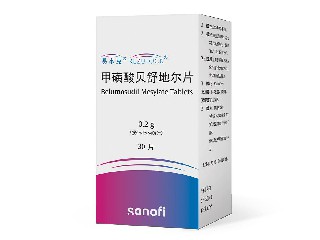
2. Regulate immune response: Besudil not only broadly suppresses immune response, it may also reduce excessive immune activity by regulating the balance of the immune system. This is critical for patients with cGVHD, a disease in which the immune system overreacts, leading to an attack on the patient's own tissues. By regulating the immune system's response, besudil can effectively relieve the symptoms of cGVHD and improve patients' quality of life. However, this immunomodulatory effect also requires careful monitoring to avoid excessive suppression of immune function.
3. Immune effects of long-term use: Long-term use of besudil may have lasting effects on the immune system. Although Besudil's immunosuppressive effects are relatively mild, if used for too long, a patient's immune system may gradually become more fragile. This change in immune tolerance may lead to an inadequate immune response in patients receiving other treatments or facing other diseases. Therefore, doctors usually strictly monitor treatment with besudil to avoid long-term exposure of patients to the drug's immunosuppressive effects.
In general, besudil treats cGVHD by suppressing an overreaction of the immune system, but its suppressive effects on the immune system also increase the risk of infection and may lead to long-term effects on the immune system. Therefore, patients require strict medical monitoring and appropriate risk management during treatment.
[ 免责声明 ] 本页面内容来自公开渠道(如FDA官网、Drugs官网、原研药厂官网等),仅供持有医疗专业资质的人员用于医学药学研究参考,不构成任何治疗建议或药品推荐。所涉药品可能未在中国大陆获批上市,不适用于中国境内销售和使用。如需治疗,请咨询正规医疗机构。本站不提供药品销售或代购服务。


