
.jpeg)
What are the effects of combining enzalutamide with other anticancer drugs?
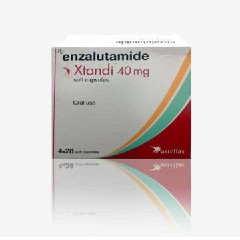
Enzalutamide is a drug used to treat prostate cancer, especially for patients with metastatic castration-resistant prostate cancer (mCRPC). It inhibits the growth of cancer cells by inhibiting the activity of androgen receptors and preventing androgens from stimulating cancer cells. Enzalutamide is often used in combination with other anticancer drugs, especially in the treatment of prostate cancer. The purpose of combined medication is to enhance efficacy, but it may also bring certain risks of side effects and drug interactions. Here are the possible effects of enzalutamide when used in combination with other cancer drugs.
1. Combined use with chemotherapy drugs: Enzalutamide is often used in combination with chemotherapy drugs (such as docetaxel or paclitaxel), especially in the treatment of metastatic castration-resistant prostate cancer. Chemotherapy drugs work by killing cancer cells directly, while enzalutamide interferes with cancer cell proliferation by inhibiting androgen receptors. Studies have shown that enzalutamide can significantly improve patient survival rates and progression-free survival (PFS) when used in combination with chemotherapy drugs. However, this combination may increase the risk of myelosuppression, particularly a decrease in white blood cells, platelets, and red blood cells. Therefore, patients need to closely monitor blood routine when receiving this combination therapy, especially during the chemotherapy cycle.
2. Combined use with hormone therapy: Enzalutamide is used in combination with other androgen-inhibiting drugs (such as ritonavir, abiraterone, etc.), which is a common treatment for prostate cancer. Abiraterone is a CYP17A1 inhibitor that inhibits androgen synthesis. By combining it with enzalutamide, the effects of abiraterone can be enhanced to more effectively inhibit the effects of androgens on prostate cancer. Although this combination may enhance the anti-cancer effect, it may also cause side effects such as severe hypoglycemia and abnormal liver function, especially in elderly patients or patients with other medical conditions. Therefore, dosage adjustments and close monitoring of patients' liver function and blood glucose levels are required during combined use.
3. Combined use with immunotherapy: In recent years, immune checkpoint inhibitors (such as PD-1/PD-L1 inhibitors) have been introduced into cancer treatment, and research on their combined use with enzalutamide has gradually increased. Enzalutamide works by inhibiting the androgen receptor pathway, while immune checkpoint inhibitors kill cancer cells by activating the immune system. In theory, this combination treatment could enhance the anti-cancer effect through dual mechanisms. However, immune checkpoint inhibitors may cause immune-related adverse reactions, such as immune pneumonitis, hepatitis, colitis, etc., and the use of enzalutamide may aggravate these adverse reactions. Doctors need to closely monitor how a patient's immune system responds and adjust immunotherapy doses or pause treatment as needed.
4. Combined use with bone protective agents: In patients with prostate cancer, especially those with metastases to the bone, bone protective agents (such as bisphosphonates or sodium desfluorate) are often used to reduce bone pain and fracture risk caused by bone metastases. The combined use of enzalutamide and bone protective agents is common in clinical practice, especially for patients with bone metastases. Studies have shown that this combination therapy can not only control the progression of prostate cancer, but also effectively slow the progression of bone metastases. Bone protectants can relieve bone pain and reduce the risk of fractures, while enzalutamide inhibits tumor growth through anti-androgen effects. However, this combined use also requires special attention to side effects such as bone marrow suppression and renal impairment. Patients need to regularly check kidney function and blood routine to ensure the safety of treatment.
5. Combined use with other targeted drugs: The combined use of enzalutamide with other targeted drugs is also a research trend, especially targeted treatments for specific gene mutations. For example, combined use with PARP inhibitors (such as olaparib) can increase the sensitivity of cancer cells to enzalutamide by inhibiting the DNA repair mechanism of cancer cells. This combination has the potential to demonstrate greater efficacy in patients with genetic mutations, but may also result in a higher toxicity burden, particularly in the liver and bone marrow. Therefore, when using enzalutamide in combination with targeted drugs, patients need to be closely monitored under the guidance of professional doctors, especially in terms of liver function and blood routine.
6. Potential drug interactions: Drug interactions may occur when enzalutamide is used in combination with other drugs. For example, enzalutamide is metabolized by the liver enzyme CYP3A4, so coadministration with CYP3A4 inhibitors (such as ketoconazole, cyclosporine) or inducers (such as phenytoin, carbamazepine) may affect the plasma concentration of enzalutamide. This drug interaction may cause drug concentrations to increase or decrease, affecting therapeutic efficacy or increasing the risk of adverse reactions.
The combination of enzalutamide and other anticancer drugs can significantly enhance the anticancer efficacy, especially in the treatment of prostate cancer. However, combined use may also increase the risk of side effects and drug interactions. Clinically, doctors need to carefully select combination treatment options based on the patient's specific conditions (such as age, liver and kidney function, disease progression, etc.) and regularly monitor side effects to ensure the safety and effectiveness of the treatment.
[ 免责声明 ] 本页面内容来自公开渠道(如FDA官网、Drugs官网、原研药厂官网等),仅供持有医疗专业资质的人员用于医学药学研究参考,不构成任何治疗建议或药品推荐。所涉药品可能未在中国大陆获批上市,不适用于中国境内销售和使用。如需治疗,请咨询正规医疗机构。本站不提供药品销售或代购服务。


