
.jpeg)
What to do after resistance to giritinib/segatan
Gilteritinib is an oral targeted drug specifically targeting FLT3 mutated acute myeloid leukemia (AML). It has significantly improved the survival prospects of relapsed or refractory patients. However, in actual clinical practice, the problem of drug resistance is almost inevitable, which makes many patients and their families very concerned: What should we do next when resistance to giritinib appears?
According to research, there are two main types of resistance mechanisms to giritinib. One is that tumor cells acquire new FLT3 gene site mutations, resulting in the drug no longer being able to bind effectively. The other is that AML cells activate other signaling pathways, such as the RAS/MAPK or JAK/STAT pathways, thereby bypassing the FLT3 inhibitory effect. This means that even if you continue to take giritinib, its efficacy will gradually decrease.
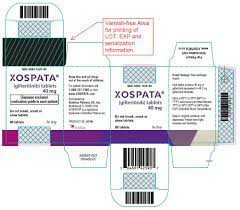
In terms of response strategies, first of all, doctors will consider testing patients' genetic mutations to determine the resistance mechanism. If new target mutations are discovered, you can explore other new generation FLT3 inhibitors, or participate in multi-pathway inhibitors being developed in overseas clinical trials. Secondly, for some patients, after resistance to giritinib, it can be combined with traditional chemotherapy regimens to enhance the comprehensive attack on tumors. In addition, hematopoietic stem cell transplantation is still a potentially curative solution for some people. If conditions permit after giritinib resistance, doctors will comprehensively assess the patient's physical fitness and condition to decide whether to enter the transplant procedure.
Furthermore, some international studies are trying combination drug strategies, such as giritinib combined withBCL-2 inhibitors and immunotherapy drugs to overcome the limitations of single-drug resistance. In summary, resistance to giritinib does not mean complete failure of treatment, but requires genetic testing, combination therapy, or transfer to clinical trials under the guidance of a professional team. In the future, there will be more new targeted drugs that provide hope for breakthroughs for patients.
Reference materials:https://www.xospata.com/
[ 免责声明 ] 本页面内容来自公开渠道(如FDA官网、Drugs官网、原研药厂官网等),仅供持有医疗专业资质的人员用于医学药学研究参考,不构成任何治疗建议或药品推荐。所涉药品可能未在中国大陆获批上市,不适用于中国境内销售和使用。如需治疗,请咨询正规医疗机构。本站不提供药品销售或代购服务。


