
.jpeg)
Instructions for contraindicated groups of Tepotinib (Tuodekang) and patients who are not suitable for taking it
Tepotinib is a selective METtyrosine kinase inhibitor, mainly used to treat patients with non-small cell lung cancer (NSCLC) associated with METexon 14 skipping mutations. However, although the drug has shown good targeting effects in clinical practice, not all patients are suitable for use. Identification of contraindication groups is critical to reducing risks and ensuring medication safety. First, tepotinib is clearly contraindicated in patients with a history of severe allergic reactions to its components or excipients. If the patient ever develops symptoms such as allergic rash, laryngeal edema, or difficulty breathing during medication, the medication needs to be discontinued immediately and the medication should no longer be used.
Tepotinib carries a greater risk for patients with severe hepatic insufficiency. Since the drug is mainly metabolized by the liver, patients with severe liver damage may accumulate the drug in the body after taking it, thereby aggravating liver toxicity or causing drug-related hepatitis. Therefore, it is clinically recommended to use it with caution or to disable it in patients with moderate and severe liver damage. At the same time, liver function indicators, such as transaminase and bilirubin levels, need to be closely monitored during medication to avoid irreversible damage.
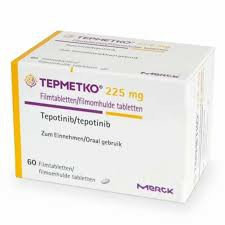
Pregnant and lactating women are also unsuitable for tepotinib. Animal experiments have suggested that the drug may have adverse effects on fetal development, including teratogenesis and the risk of miscarriage. Therefore, women of childbearing age need to undergo a pregnancy test before use and take effective contraceptive measures during the medication until at least one week after stopping the medication. Breastfeeding women need to avoid using it to prevent the drug from affecting the health and development of the baby through milk secretion.
Tepotinib should also be used with caution in some people taking concomitant medications. Because it is metabolized by CYP3A4, if patients take strong CYP3A inhibitors (such as ketoconazole) or inducers (such as rifampicin) at the same time, the blood concentration may abnormally increase or decrease, thereby affecting the efficacy or increasing the risk of side effects. Therefore, such patients need to adjust their medication regimen under the guidance of a doctor to avoid serious consequences of drug interactions. In summary, although tepotinib is an important drug for precision treatment, screening of contraindications and inapplicable groups is equally important, and clinical medication specifications must be strictly followed.
Reference link:https://www.drugs.com
[ 免责声明 ] 本页面内容来自公开渠道(如FDA官网、Drugs官网、原研药厂官网等),仅供持有医疗专业资质的人员用于医学药学研究参考,不构成任何治疗建议或药品推荐。所涉药品可能未在中国大陆获批上市,不适用于中国境内销售和使用。如需治疗,请咨询正规医疗机构。本站不提供药品销售或代购服务。


