
.jpeg)
The efficacy and role of pazopanib (Viant) and the principle of targeted therapy
Pazopanib (trade name: Vitant) is an oral small molecule multi-target tyrosine kinase inhibitor (TKI), which mainly inhibits vascular endothelial growth factor receptor (VEGFR), platelet-derived growth factor receptor ( PDGFR), fibroblast growth factor receptor (FGFR) and c-KIT and other signaling pathways, thereby inhibiting the formation of tumor new blood vessels and blocking the proliferation and metastasis of tumor cells. As a targeted drug, it was originally developed to cut off the blood supply that tumors rely on for survival, so it has shown strong anti-tumor activity in multiple solid tumors.
In terms of clinical application, pazopanib is mainly suitable for patients with advanced renal cell carcinoma (RCC) and soft tissue sarcoma (STS), especially those who are insensitive to traditional chemotherapy or have limited efficacy. Compared with traditional cytotoxic chemotherapy, pazopanib not only improves the pertinence of treatment through precise targeting, but also significantly delays disease progression. Clinical studies have shown that patients treated with pazopanib have significantly longer progression-free survival (PFS), and some patients can even achieve longer disease control.
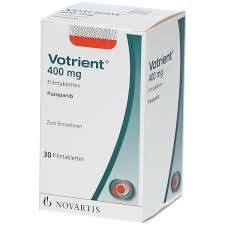
In terms of pharmacological effects, pazopanib inhibits tumor angiogenesis, causing cancer cells to lack nutrients and oxygen supply, thereby entering the process of growth arrest or apoptosis. In addition, its broad-spectrum inhibitory effect on multiple targets enables it to still exert its inhibitory effect even when tumor cells are heterogeneous or drug resistance mechanisms appear. This is one of the reasons why pazopanib has more advantages than some single-target drugs. Therefore, it is often used clinically to treat advanced or relapsed and refractory patients to help delay the progression of the disease.
In general, the efficacy and effect of pazopanib (Vita) are mainly reflected in the dual mechanisms of anti-angiogenesis and inhibiting tumor growth. Its targeted therapy principle determines its good efficacy in some patients with advanced cancer and can improve the patient's quality of life. However, during use, it is still necessary to pay attention to possible side effects, such as high blood pressure, abnormal liver function, fatigue, and diarrhea. Therefore, treatment needs to be combined with individualized evaluation and monitoring to achieve a balance between efficacy and safety.
Reference link:https://www.drugs.com
[ 免责声明 ] 本页面内容来自公开渠道(如FDA官网、Drugs官网、原研药厂官网等),仅供持有医疗专业资质的人员用于医学药学研究参考,不构成任何治疗建议或药品推荐。所涉药品可能未在中国大陆获批上市,不适用于中国境内销售和使用。如需治疗,请咨询正规医疗机构。本站不提供药品销售或代购服务。


