
.jpeg)
What type of antibiotic does Fidaxomicin belong to and its antibacterial mechanism detailed explanation
In terms of antibacterial mechanism, the main target of fidaxomicin is bacterial RNA polymerase. It can bind and inhibit RNA polymerase at the initiation stage of transcription, preventing the synthesis of Clostridium difficile mRNA, thereby inhibiting protein production and ultimately leading to bacterial death. This is different from the mechanism by which traditional macrolides inhibit bacterial ribosomal protein synthesis. Therefore, fidaxomicin not only avoids cross-resistance with other commonly used macrolide antibiotics, but also has a lower incidence of resistance. Due to its unique mechanism of action, its bactericidal effect on Clostridium difficile is more durable and helps reduce the recurrence rate.
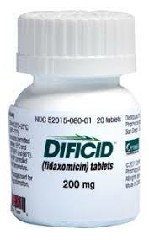
In summary, Fidaxomicin, as a new macrolide antibiotic, shows unique advantages in fighting Clostridium difficile infection. It works by inhibiting the initiation of RNA polymerase transcription. It has the characteristics of strong selectivity, low drug resistance rate, and low risk of recurrence. At the same time, it reduces systemic side effects because it mainly acts locally. In clinical practice, fidaxomicin is considered an important option for the treatment of Clostridium difficile-associated diarrhea, especially in patients with recurrent or severe disease.
Reference link: https://www.drugs.com
[ 免责声明 ] 本页面内容来自公开渠道(如FDA官网、Drugs官网、原研药厂官网等),仅供持有医疗专业资质的人员用于医学药学研究参考,不构成任何治疗建议或药品推荐。所涉药品可能未在中国大陆获批上市,不适用于中国境内销售和使用。如需治疗,请咨询正规医疗机构。本站不提供药品销售或代购服务。


