
.jpeg)
Generational classification and efficacy of crizotinib/Xalkori targeted drugs
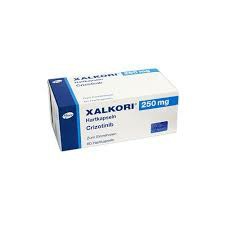
Crizotinib is the world's first oral small molecule tyrosine kinase inhibitor (ALK-TKI) approved for ALK-positive non-small cell lung cancer (NSCLC). It is also an important milestone in the development of targeted therapy from laboratory to clinical application. In the history of the development of targeted drugs, crizotinib is regarded as the representative of the "first-generation ALK inhibitor". It not only changed the treatment model of lung cancer driven by ALK fusion genes, but also laid a solid foundation for the subsequent development of second- and third-generation ALK inhibitors. Understanding the intergenerational classification and efficacy differences of crizotinib is of great significance for optimizing individualized treatment strategies, evaluating resistance mechanisms, and guiding subsequent medication.
In terms of pharmacokinetic classification, crizotinib belongs to the first generationALK-TKI. Its design concept was originally aimed at inhibiting MET and ROS1, but due to its high affinity for ALK kinase, it was quickly applied to the treatment of ALK fusion-positive tumors. Clinical practice has shown that crizotinib can significantly extend patients' progression-free survival and improve quality of life, while its oral formulation improves compliance. However, the limitations of first-generation inhibitors have gradually emerged, the most prominent being the insufficient control of central nervous system metastasis and the rapid emergence of drug-resistant mutations. Some patients will develop resistance to crizotinib within one to two years after taking crizotinib, which is closely related to multiple secondary mutations in the ALK kinase domain, such as the L1196M "gatelock mutation" and other resistance sites such as G1269A.
In order to overcome these drug resistance problems, the second generationALK inhibitors came into being. Representative drugs include Alectinib, Brigatinib, etc. Their molecular structures are more optimized in selectivity and binding sites, and can more effectively inhibit multiple ALK resistance mutations. They also have better central nervous system penetration, so they have obvious advantages in controlling brain metastasis. For example, alectinib has become the drug of choice for the first-line treatment of ALK-positive advanced non-small cell lung cancer in overseas clinical studies, showing a longer progression-free survival than crizotinib. Brigatinib has shown good efficacy in the treatment regimen after crizotinib resistance, especially in the background of some complex mutations, it is still active.
Entering the third generationALK-TKI era, Lorlatinib has become the representative drug. This class of drugs not only inhibits most known ALK resistance mutations, including compound mutations that appear after exposure to crizotinib and second-generation drugs, but also has stronger blood-brain barrier permeability and can provide more durable control for patients with brain metastases. The design concept of lorlatinib is closer to the "full coverage" strategy, that is, it provides broad-spectrum inhibition while taking into account central system activity, providing a new treatment option for patients who are resistant to early drugs such as crizotinib.
In terms of efficacy comparison, crizotinib, as a pioneering drug, has significantly improved the overall prognosis of ALK-positive patients, enabling these patients to move from a low survival period in the traditional chemotherapy era to a long survival period with targeted therapy. However, long-term follow-up data shows that its limitations are gradually magnified, especially in controlling brain metastasis and the incidence of drug resistance. Therefore, most current international guidelines recommend second- or third-generation ALK inhibitors as the preferred first-line regimen, and crizotinib is more regarded as the historical starting point of targeted therapy, or as an optional option in specific circumstances.
Reference materials:https://go.drugbank.com/drugs/DB08865
[ 免责声明 ] 本页面内容来自公开渠道(如FDA官网、Drugs官网、原研药厂官网等),仅供持有医疗专业资质的人员用于医学药学研究参考,不构成任何治疗建议或药品推荐。所涉药品可能未在中国大陆获批上市,不适用于中国境内销售和使用。如需治疗,请咨询正规医疗机构。本站不提供药品销售或代购服务。


