
.jpeg)
What is the difference between avatrombopag/sucoxin and eltrombopag?
In the field of thrombocytopenia treatment, Avatrombopag and Eltrombopag are both oral thrombopoietin receptor agonists (TPO-RA). By simulating the effect of endogenous thrombopoietin, they stimulate the proliferation and differentiation of bone marrow megakaryocytes, thereby increasing platelet production. However, these two drugs have certain differences in their mechanism of action, clinical application, metabolism, and patient application range. These differences directly affect clinical selection and individualized treatment options.
First of all, from the molecular mechanism of action, both avatrombopag and eltrombopag areTPO receptor agonists, but their binding sites and affinities to the receptors are different. Avatrombopag binds more directly to the thrombopoietin receptor (c-Mpl) and has a more targeted effect. It can effectively promote bone marrow megakaryocyte differentiation and is relatively less dependent on liver metabolism. In contrast, in addition to acting on c-Mpl receptors, eltrombopag's absorption and bioavailability are greatly affected by calcium ions in food. Therefore, patients need to pay attention to avoid eating calcium-rich foods or calcium supplements at the same time when taking the drug, so as not to affect the efficacy of the drug.
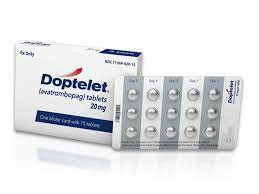
In terms of clinical indications, both are used for adults with chronic primary immune thrombocytopenia (ITP) and chronic liver disease-related thrombocytopenia, but they differ in subdivisions. Avatrombopag is mainly targeted at thrombocytopenic patients with chronic liver disease undergoing elective surgery or procedures, as well as ITP patients with poor response to glucocorticoid or immunoglobulin treatment in the past. It emphasizes that platelet elevation reaches a safe range to reduce the risk of bleeding, rather than returning to normal levels. Eltrombopag is approved in some countries for use in a wider range of patients with chronic liver disease, especially those who cannot improve platelet counts through traditional interventions. It can also be used for long-term platelet maintenance treatment in patients with ITP.
Drug metabolism and safety are also important differences between the two. Avatrombopag is relatively stable in liver metabolism and is easier to regulate in patients with abnormal liver function. The main side effects include headache, diarrhea, fatigue and excessive platelet elevation. Eltrombopag is sensitive to liver function and requires regular monitoring of liver enzymes. It also has the risk of excessive elevation of platelet count and risk of thrombosis. Therefore, dynamic changes in platelets need to be strictly evaluated during medication. Both of them need to pay attention to the risk of thrombosis, but avatrombopag is more targeted, making the probability of thrombosis slightly lower.
Additionally, there are differences in the convenience of drug administration. Oral administration of avatrombopag is not affected by food or mineral intake, and patients' medication compliance is relatively higher. Eltrombopag needs to be taken on an empty stomach or at a certain interval from a specific diet, which may impose certain restrictions on the patient's lifestyle during long-term treatment.
From a clinical practice point of view, the choice between avatrombopag and eltrombopag should be based on the patient's underlying disease type, liver function status, platelet count dynamics, drug compliance, and potential side effects. For patients who need precise, targeted, short-term platelet elevation to complete surgery or diagnostic procedures, avatrombopag may be more suitable; for patients who need long-term maintenance of platelet counts and can strictly comply with medication and dietary requirements, eltrombopag is still an important choice.
Reference materials:https://go.drugbank.com/drugs/DB11995
[ 免责声明 ] 本页面内容来自公开渠道(如FDA官网、Drugs官网、原研药厂官网等),仅供持有医疗专业资质的人员用于医学药学研究参考,不构成任何治疗建议或药品推荐。所涉药品可能未在中国大陆获批上市,不适用于中国境内销售和使用。如需治疗,请咨询正规医疗机构。本站不提供药品销售或代购服务。


