
.jpeg)
What tests are needed before treatment with Enasidenib?
Before enasidenib is used to treat acute myeloid leukemia (AML), it is crucial to conduct a comprehensive preliminary examination. This is not only related to the treatment effect, but also directly affects the safety of medication. Ensidipine targets IDH2 mutations, so the first step is to perform IDH2 genetic testing. Testing whether the patient carries an IDH2 mutation through bone marrow aspiration or blood samples is a prerequisite for determining whether the patient is suitable for ensidipine. Only for patients with positive IDH2 mutations, ensidipine can play a precise therapeutic role. Otherwise, the drug has limited effect and may increase unnecessary risks.
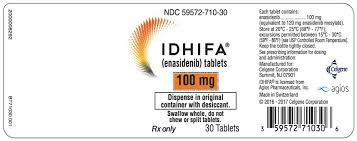
Secondly, hematology examination is an essential basic assessment. It mainly includes the evaluation of blood routine, platelet count, neutrophils and hemoglobin levels to clarify the patient's baseline bone marrow functional status. AML patients often have varying degrees of bone marrow suppression. If the basic blood picture is abnormal, the medication regimen needs to be adjusted under the guidance of a doctor or supportive treatment measures should be taken, such as blood transfusion or anti-infection treatment.
Liver and kidney function tests are equally important. The metabolism and excretion of ensidipine in the body depend on liver and kidney function. Baseline liver and kidney function assessment can help doctors judge drug tolerance and make dose adjustments or monitor potential toxicity during treatment. Especially for patients with previous hepatitis, abnormal liver function or chronic kidney disease, early evaluation is needed to avoid drug accumulation leading to serious side effects.
In addition, cardiac function assessment is also recommended to be included in pre-treatment preparation. Some patients with AML may have underlying cardiovascular diseases, and ensidipine may affect electrocardiogram indicators in individual cases. Therefore, basic electrocardiogram examination can help with safe medication use. For patients with combined infections or other systemic diseases, doctors may also arrange chest X-rays, abdominal ultrasound or other necessary imaging examinations based on individual circumstances to rule out potential complications.
Reference materials:https://www.idhifa.com/
[ 免责声明 ] 本页面内容来自公开渠道(如FDA官网、Drugs官网、原研药厂官网等),仅供持有医疗专业资质的人员用于医学药学研究参考,不构成任何治疗建议或药品推荐。所涉药品可能未在中国大陆获批上市,不适用于中国境内销售和使用。如需治疗,请咨询正规医疗机构。本站不提供药品销售或代购服务。


