
.jpeg)
Precautions for use of Fenelidone (Keshenda) and suggestions for daily life management
1. Overview of Drugs
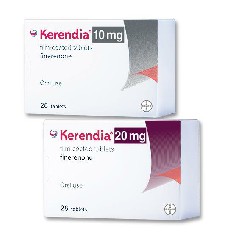
Finerenone (trade name: Kerendia) is a new type of selective mineralocorticoid receptor antagonist (MRA), mainly used to treat patients with chronic kidney disease (CKD) combined with type 2 diabetes. Compared with traditional MRA (such as spironolactone, eplerenone), fenelidone has higher selectivity and lower risk of hyperkalemia, can slow down the decline of renal function, improve proteinuria, and has a certain protective effect on cardiovascular events. In clinical applications, rational use and standardized management are the keys to ensuring efficacy and safety.
2. Precautions for use
1.Renal function and serum potassium monitoring
Fenelinone is mainly metabolized and excreted by the kidneys, so serum creatinine, glomerular filtration rate (eGFR) and serum potassium levels need to be assessed before starting treatment. During treatment, serum potassium and renal function should be monitored frequently within the first 2–4 weeks, and then the frequency of monitoring should be adjusted according to the patient's condition. If the serum potassium is ≥5.5 mmol/L, dose reduction or temporary discontinuation of the drug should be considered; if ≥6.0 mmol/L, the drug should be stopped immediately and corrective measures should be taken.
2.Risk of combined medication
Special caution is required when fenelidone is used concomitantly with other drugs that may increase serum potassium (such as ACE inhibitors, ARBs, potassium supplements, or potassium-sparing diuretics) to avoid an increased risk of hyperkalemia. At the same time, patients with nephrotoxic drugs (such as NSAIDs, certain antibiotics or chemotherapy drugs) also need to pay attention and adjust the dose or change the drug if necessary.
3. Precautions for patients with cardiovascular disease
Although fenelinone has a certain protective effect on cardiovascular disease, Patients with hypotension or cardiac insufficiency need to closely observe blood pressure and heart rate changes to prevent dizziness, syncope and other adverse events caused by drops in blood pressure.
4.Precautions for special groups of people
Pregnant and lactating women should avoid using fenelidone; elderly patients or those with severe renal insufficiency should use it with caution, starting with a low dose and gradually adjusting if necessary.
3. Daily life management suggestions
1.Diet management
Patients should control their dietary potassium intake and avoid excessive amounts of high-potassium foods (such as bananas, oranges, spinach, nuts, etc.). At the same time, maintain a balanced diet and ensure adequate protein and fiber intake to maintain kidney function and overall health.
2.Regular schedule and exercise
Moderate exercise can help with blood pressure control and cardiovascular health, but strenuous exercise or excessive fatigue should be avoided to prevent blood pressure fluctuations or muscle damage. Patients should maintain a regular schedule, ensure adequate sleep, and reduce the physical stress caused by medications and diseases.
3.Medication compliance
Fenelidone should be taken orally at a fixed time every day avoid missing doses or increasing or decreasing the dose on your own. If you accidentally miss a dose, you should replenish it according to the guidance of your doctor. Do not take multiple tablets at one time to avoid increasing the risk of hyperkalemia.
4.Symptom self-monitoring
Patients should pay attention to monitoring weight changes, urine output, edema, fatigue, dizziness and other symptoms, measure blood pressure regularly, and promptly record and feedback abnormal conditions to the doctor. Self-monitoring can help detect adverse drug reactions and disease progression early.
4. Clinical follow-up and safety management
1.Regular laboratory inspections
During fenelidone treatment, serum creatinine, serum potassium, eGFR and urine protein levels should be reviewed regularly to evaluate renal function and drug efficacy. Based on lab results, doctors can adjust dosage or treatment to ensure safety and long-term efficacy.
2.Combined therapy management
When combined with ACE inhibitors or ARB treatment, serum potassium levels should be closely monitored and the order or dose of medication should be adjusted if necessary to reduce the risk of hyperkalemia and worsening of renal function.
3.Educational and psychological support
Patients and their families need to understand the mechanism of action, adverse reactions and medication precautions of fenelidone to enhance medication compliance. At the same time, psychological support and lifestyle guidance can be used to help patients cope with the anxiety and life restrictions caused by chronic diseases.
Finelidone as a new selectiveMRA, merged into CKD2Provides effective renal protection and cardiovascular prevention for patients with type 2 diabetes. However, since it may cause hyperkalemia and affect renal function, standardized medication, regular monitoring and lifestyle management are the keys to ensuring efficacy and safety. Through scientific diet control, regular work and rest, drug compliance and regular follow-up, patients can benefit from fenelidone treatment to the greatest extent, while reducing potential risks and improving quality of life.
Reference link:https://www.drugs.com
[ 免责声明 ] 本页面内容来自公开渠道(如FDA官网、Drugs官网、原研药厂官网等),仅供持有医疗专业资质的人员用于医学药学研究参考,不构成任何治疗建议或药品推荐。所涉药品可能未在中国大陆获批上市,不适用于中国境内销售和使用。如需治疗,请咨询正规医疗机构。本站不提供药品销售或代购服务。


