
.jpeg)
Differences in clinical application between larotinib (Vitaika) and osimertinib
1. Overview of Drugs
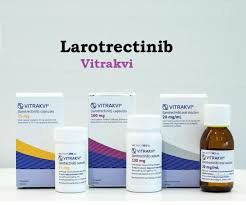
Larotrectinib (trade name Vitrakvi) is an oral small molecule TRK inhibitor that blocks tumor signaling by highly selectively inhibiting TRK protein produced by NTRK gene fusion, thereby blocking tumor signaling, thereby inhibiting tumor cell growth. Its biggest feature is that it has tissue-independent indications and can be used as long as the tumor has NTRK fusion, whether it is lung cancer, breast cancer, thyroid cancer or other solid tumors.
Osimertinib (Osimertinib, trade nameTagrisso) is a third-generation EGFR tyrosine kinase inhibitor (TKI), mainly used for treatment EGFRSensitive mutation-sensitive non-small cell lung cancer (NSCLC) patients, especially patients with T790M mutation-positive patients, have a significant effect. Osimertinib inhibits tumor cell proliferation and induces apoptosis by irreversibly binding to the active site of EGFR kinase. It also has strong penetration into the central nervous system and can effectively control brain metastasis.
In terms of drug types, larotrectinib is a tissue-independent drug that precisely targets TRK fusion, while osimertinib is a lung cancer-specific drug targeting EGFR mutations. There are essential differences between the two in their mechanism of action and applicable populations.
2. Indications and clinical application scope
Larotrectinib has a very broad indication and is applicable to allNTRK fusion-positive solid tumor patients, regardless of the organ of origin. Clinical trials (such as the LOXO-TRK-14001 and NAVIGATE studies) have shown that larotrectinib has an objective response rate (ORRORR pan>) can reach about 70%, the median progression-free survival (PFS) exceeds 1 year, and the efficacy is stable and rapid. Especially in children and adolescent patients, larotrectinib shows excellent safety and tolerability, providing a new treatment option for refractory NTRK fusion tumors.
Osimertinib is mainly used for patients with EGFRsensitive mutationsNSCLC, including treatment-naive EGFR 19del or L858R mutations and first-line EGFR Second-line patients with TKIresistanceT790M mutation. FLAURAThe study shows that the median progression-free survival of osimertinib first-line treatment of NSCLC patients reaches 18.9 months, which is significantly better than the first-generation EGFR TKI(10.2months). In addition, osimertinib is particularly effective in patients with brain metastases, with the median progression-free survival of brain metastases reaching more than 15 months.
From a comparison of indications, larotrectinib provides a solution for gene-driven, tissue-independent tumors, while osimertinib is a lung cancer-specific, EGFR mutation-driven precision treatment. The clinical application scenarios and patient selection criteria of the two are completely different.
3. Differences in efficacy and tolerance
In terms of efficacy, larotrectinib shows high response rates and sustained efficacy across tumor types. It is especially suitable for patients with tumors that are ineffective or refractory to chemotherapy. Its efficacy does not depend on the primary site of the tumor. Osimertinib targets EGFR mutated lung cancer and has advantages in prolonging PFS and controlling brain metastasis. However, its efficacy is limited to specific mutation types, and other gene-driven tumors cannot benefit.
In terms of tolerability, the adverse reactions of larotrectinib mainly include Fatigue, constipation, headache and mild to moderate liver function abnormalities, which can generally be controlled through dose adjustment, and the adverse events are minor and manageable. Common adverse reactions of osimertinib include rash, diarrhea, oral ulcers and mild to moderate hematological abnormalities. Some patients may experience serious adverse events such as cardiac function or QT interval prolongation that require monitoring. Overall, both are well tolerated, but the types of side effects are different and require monitoring and management based on patient characteristics.
4. Clinical application suggestions
In clinical practice, larotrectinib is suitable for patients with anyNTRK fusion-positive tumors, especially those who have failed or are refractory to conventional treatments. NTRK should be performed before medicationFusion detection ensures the existence of the target; liver function, blood routine and adverse reactions need to be monitored regularly during the treatment process.
Osimertinib is suitable for EGFR mutation-positive NSCLC patients can be used as first-line treatment for patients with initial treatment 19del or L858R mutation, and as second-line treatment for T790M drug-resistant patients. Osimertinib is particularly recommended for patients with brain metastases. During medication, attention should be paid to changes in liver function, cardiac function and QT interval, and dose adjustments should be made if necessary.
In summary, both larotinib and osimertinib are precision targeted therapies, but there are obvious differences between them in targets of action, scope of indications, efficacy characteristics and tolerance management . Larotrectinib provides treatment options with tissue-independent and cross-tumor type advantages, while osimertinib focuses on EGFR mutated lung cancer and has outstanding advantages in the control of brain metastasis. In clinical practice, drugs should be selected rationally based on genetic test results, tumor type and individual patient conditions to achieve precise treatment and maximize benefits.
Reference link:https://www.drugs.com
[ 免责声明 ] 本页面内容来自公开渠道(如FDA官网、Drugs官网、原研药厂官网等),仅供持有医疗专业资质的人员用于医学药学研究参考,不构成任何治疗建议或药品推荐。所涉药品可能未在中国大陆获批上市,不适用于中国境内销售和使用。如需治疗,请咨询正规医疗机构。本站不提供药品销售或代购服务。


