
.jpeg)
Efficacy and risk assessment of moboxetinib (Anvili) in the treatment of patients with brain metastases
1. Overview of Drugs
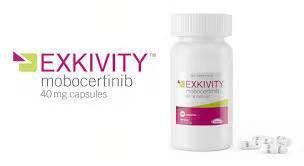
Mobocertinib (trade name Exkivity) is an oral EGFR exon 20 insertion mutation (EGFR Ex20ins) third-generation tyrosine kinase inhibitors (TKI). It blocks cancer cell proliferation and induces apoptosis by highly selectively inhibiting abnormal EGFR signaling pathways, providing a new treatment option for patients with Ex20ins mutated non-small cell lung cancer (NSCLC) who have limited efficacy with traditional EGFR TKI. Compared with the first or second generation EGFR TKIs, mobosetinib has improved penetration into brain metastases, but there are still blood-brain barrier limitations.
2. Analysis of therapeutic efficacy in patients with brain metastasis
Brain metastasis is a common complication in patients with EGFR Ex20ins NSCLC. About 20% to 30% develop brain metastasis at the time of diagnosis or during treatment. Clinical studies have shown that the efficacy of mobosetinib in patients with brain metastases has certain limitations. EXCLAIM and other multicenter real-world studies have shown that moboxetinib is effective in patients with brain metastases. The objective response rate (ORR) is approximately 20%-30%, which is lower than 40%-45% in patients without brain metastases. Although the response rate of brain metastases is relatively limited, for patients who cannot tolerate radiotherapy or who have failed previous radiotherapy, mobosetinib can still provide certain disease control and symptom relief, and extend the median progression-free survival (PFS) to 5-7 months.
In contrast, for patients with mild brain metastases or stable lesions, mobosetinib combined with local therapy (such as stereotactic radiotherapySRS or whole-brain radiotherapyWBRT) can achieve better systemic and intracerebral control rates. Some studies have shown that under combined treatment, the brain disease control rate (DCR) can be increased to about 50%, and the patient's symptoms are significantly improved, such as headache reduction, cognitive function stabilization, and quality of life improvement.
3. Risk assessment and adverse reactions
The adverse reactions of mobosetinib mainly include Diarrhea, rash, stomatitis, fatigue, liver function abnormalities and hematological abnormalities. Patients with brain metastases need to pay special attention to changes in systemic status and central nervous system symptoms when using it. Some patients may develop cerebral edema, increased intracranial pressure, or worsening epilepsy, especially if the lesion is large or there are multiple brain metastases.
Diarrhea is the most common adverse event. Mild to moderate cases can be managed through symptomatic treatment with medications. Severe diarrhea may lead to electrolyte imbalance and dehydration, requiring timely discontinuation of medication or dose adjustment. Rash and stomatitis affect the quality of life and require a combination of local care and symptomatic treatment. Liver function and blood routine monitoring are particularly important in patients with brain metastases, as patients with poor systemic tolerance are more likely to develop complications.
4. Clinical application suggestions
In clinical practice, mobosetinib can be used as a first- or second-line targeted therapy option for patients with brain metastases EGFR Ex20ins NSCLC, especially for patients whose previous standard chemotherapy or radiotherapy has failed and whose systemic condition permits. Brain imaging evaluation, including MRI or CT scan, is required before medication to determine the number, size and symptoms of brain metastases.
During the treatment process, brain imaging and whole-body imaging should be followed up regularly to evaluate the efficacy and side effects. For patients with obvious symptoms or progressive disease, combined local radiotherapy or stereotactic radiotherapy may be considered to improve the intracerebral control rate. At the same time, individualized treatment plans should be formulated for adverse events such as diarrhea, rash, fatigue, etc., such as dose adjustment, supportive therapy, and symptomatic care.
In general, although mobosetinib has limited efficacy in patients with brain metastases, it can still provide controllable disease control and symptom improvement for EGFR Ex20ins patients who cannot tolerate other treatments. Combined with multidisciplinary treatment strategies and strict monitoring, its clinical application value is significant and provides a new targeted treatment option for patients with brain metastases.
Reference link:https://www.drugs.com
[ 免责声明 ] 本页面内容来自公开渠道(如FDA官网、Drugs官网、原研药厂官网等),仅供持有医疗专业资质的人员用于医学药学研究参考,不构成任何治疗建议或药品推荐。所涉药品可能未在中国大陆获批上市,不适用于中国境内销售和使用。如需治疗,请咨询正规医疗机构。本站不提供药品销售或代购服务。


