
.jpeg)
Analysis of whether pazopanib (Viant) can be used in the treatment of patients with lung squamous cell carcinoma
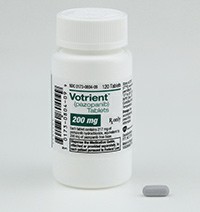
Pazopanib (trade name Votrient) is an oral Multi-target tyrosine kinase inhibitor (TKI), mainly inhibits vascular endothelial growth factor receptor (VEGFR), platelet-derived growth factor receptor (PDGFR) and stem cell factor receptor (c-KIT) signaling pathways, thereby blocking tumor angiogenesis and inhibiting tumor cell proliferation and metastasis. Pazopanib is approved for the treatment of clear cell renal cell carcinoma and soft tissue sarcoma, but its use in lung squamous cell carcinoma is still investigational.
Lung squamous cell carcinoma is one of the main types of non-small cell lung cancer (NSCLC), which is characterized by abundant tumor blood vessels and often high angiogenic activity. Because pazopanib can inhibit the VEGFR pathway, it can theoretically reduce tumor blood supply and block the growth of cancer cells. Therefore, pazopanib has certain therapeutic potential and can be used as a candidate drug for angiogenesis inhibition strategies for patients with lung squamous cell carcinoma, especially for advanced patients who are poorly tolerant to traditional chemotherapy or cannot be surgically resected.
Currently limited clinical trial data show that pazopanib is effective as a single agent in patients with lung squamous cell carcinoma The objective response rate (ORR) and disease control rate (DCR) are limited, and some studies show that the median progression-free survival (PFS span>) is about 3-5 months, and the median overall survival (OS) is about 7-9 months. When used in combination with other anti-tumor drugs (such as chemotherapy or immune checkpoint inhibitors), the efficacy has improved, but more large-scale, multi-center studies are still needed to further verify its specific benefits in patients with lung squamous cell carcinoma.
In clinical practice, pazopanib can be used as a second-line or third-line treatment option for patients with lung squamous cell carcinoma, especially for patients who cannot tolerate traditional chemotherapy or have significant angiogenic activity. During use, attention should be paid to monitoring liver function, blood pressure, cardiac function and blood routine, and adjusting the dose according to adverse reactions. Overall, although pazopanib has certain therapeutic potential in lung squamous cell carcinoma, its efficacy is limited and further research is needed to determine the optimal application population and combination regimen.
Reference link:https://www.drugs.com
[ 免责声明 ] 本页面内容来自公开渠道(如FDA官网、Drugs官网、原研药厂官网等),仅供持有医疗专业资质的人员用于医学药学研究参考,不构成任何治疗建议或药品推荐。所涉药品可能未在中国大陆获批上市,不适用于中国境内销售和使用。如需治疗,请咨询正规医疗机构。本站不提供药品销售或代购服务。


