
.jpeg)
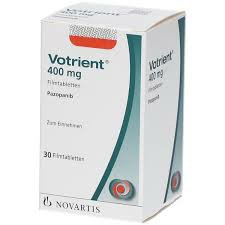
Mechanism of action and evaluation of clinical therapeutic effects of pazopanib (Viant)
1. Overview of pazopanib
Pazopanib (Pazopanib) is an oral small molecule tyrosine kinase inhibitor (TKI), mainly used to treat renal clear cell carcinoma (RCC), soft tissue sarcoma (STS) and some advanced solid tumors. As a multi-target inhibitor, pazopanib can act on multiple tumor-related signaling pathways, including vascular endothelial growth factor receptor (VEGFR), platelet-derived growth factor receptor (PDGFR), stem cell factor receptor (c-KIT), etc. By simultaneously blocking these signaling pathways, pazopanib plays an important role in inhibiting tumor angiogenesis, reducing tumor nutrient supply, and inhibiting tumor cell proliferation.
2. Analysis of the mechanism of action
1.Anti-angiogenesis effect
Pazopanib blocks the proliferation, migration and survival of vascular endothelial cells by inhibiting VEGFR-1, VEGFR-2 and VEGFR-3, and significantly reduces tumor angiogenesis. Tumor growth relies on blood vessels to provide oxygen and nutrients. When angiogenesis is inhibited, oxidative stress in the tumor microenvironment increases, and tumor proliferation slows down and even necrosis occurs.
2.Inhibit tumor proliferation and metastasis
PDGFR and c-KIT are important signaling molecules for tumor cell proliferation, survival and migration. Pazopanib can inhibit the activity of these receptor kinases and block the downstream MAPK and PI3K/AKT signaling pathways, thereby inhibiting tumor cell proliferation, inducing apoptosis, and reducing tumor metastasis ability. This makes pazopanib not only effective in primary tumor control, but also provides potential benefit in advanced metastatic tumors.
3.Multi-target synergy
Compared with single-target drugs, pazopanib's multi-target mechanism can cover multiple key links in tumor growth. The synergistic effects of angiogenesis inhibition, direct tumor cell inhibition, and signaling pathway interference enable pazopanib to display broad anti-tumor activity in clinical practice.
3. Evaluation of clinical treatment effects
1.Clear cell renal cell carcinoma (RCC)
Pazopanib is well-proven in first- or multiple-line treatment of advanced disease RRC . Key clinical trials such as VEG110727 and COMPARZ have shown that the progression-free survival (PFS) of pazopanib is approximately 8–9.5 months, the objective response rate (ORR) can reach 30% or so. Pazopanib had comparable or superior performance compared with sorafenib in terms of PFS, quality of life, and tolerability.
2.Soft tissue sarcoma (STS)
In a multicenter Phase II clinical trial, pazopanib demonstrated disease control rates (DCR) of up to 70%, median in patients with advanced STS who had failed prior treatment. PFS About 4–6 months. Pazopanib is particularly effective in certain subtypes, such as vasogenic sarcoma and liposarcoma, providing an effective treatment option in addition to chemotherapy.
3.Exploration of other solid tumors
Although pazopanib is mainly used for RCC and STS, early clinical trials have also been carried out in other solid tumors (such as thyroid cancer, breast cancer, hepatocellular carcinoma), showing that some patients can achieve disease stabilization or tumor shrinkage. This provides a basis for the potential application of pazopanib in multiple tumor types, especially for patients who require multi-target inhibition.
4. Safety and Tolerability
Clinical data show that the adverse reactions of pazopanib are generally controllable, with common adverse reactions including hypertension, fatigue, diarrhea, abnormal liver function, hand-foot syndrome, and thyroid dysfunction. Most of them are grade 1–2 and can be alleviated through dose adjustment or symptomatic treatment. The incidence of serious adverse reactions (Grade 3–4 ) is relatively low, approx.About 10% , the drug needs to be discontinued or the dosage reduced. Compared with other TKI drugs, pazopanib has better long-term tolerance, and patients can complete longer-term maintenance treatment under the guidance of doctors.
5. Clinical Practice Suggestions
When using pazopanib, an individualized treatment plan should be formulated based on genetic testing and the patient's overall condition. For patients with advanced RCC and STS , oral standard doses are preferred, while blood pressure, liver function and blood routine are monitored. If toxic side effects occur, the dose may be adjusted or the medication may be temporarily discontinued based on the severity. In addition, imaging evaluation and tumor marker monitoring can help determine efficacy and disease progression, thereby optimizing treatment strategies.
Overall, pazopanib has demonstrated good clinical efficacy in clear cell renal cell carcinoma, soft tissue sarcoma and some solid tumors due to its multi-target mechanism of action, while also having a controllable adverse reaction spectrum. Through scientific dose management and individualized follow-up, pazopanib can provide effective targeted therapy options for patients with a variety of advanced tumors and is an important part of modern precision anti-tumor therapy.
Reference link:https://www.drugs.com
[ 免责声明 ] 本页面内容来自公开渠道(如FDA官网、Drugs官网、原研药厂官网等),仅供持有医疗专业资质的人员用于医学药学研究参考,不构成任何治疗建议或药品推荐。所涉药品可能未在中国大陆获批上市,不适用于中国境内销售和使用。如需治疗,请咨询正规医疗机构。本站不提供药品销售或代购服务。


