
.jpeg)
Which drugs does Enasidenib interact with?
Enasidenib is an oral small molecule targeted drug, which is an IDH2 inhibitor. It is mainly used to treat relapsed or refractory acute myeloid leukemia (AML) with IDH2 gene mutations. As a long-term oral precision treatment drug, patients not only pay attention to the efficacy during use, but also need to focus on understanding drug interactions, because this not only affects the efficacy of the drug, but may also bring safety risks. Drug interactions mainly involve metabolic enzyme pathways, transporters, and combined use with other commonly used drugs.
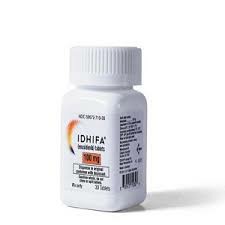
From a metabolic perspective, ensidipine is mainly metabolized by the liver, which will affect the activity of the CYP450 enzyme system in the body. Studies have shown that ensidipine inhibits certain cytochrome P450 enzymes, such as CYP3A4, CYP2C9, and CYP2C19, which means that blood levels may increase when drugs metabolized by these enzymes are taken concurrently. For example, some common oral anticoagulants, some arrhythmia drugs, anti-epileptic drugs and some antidepressants need to be metabolized through the CYP450 pathway. If combined with ensidipine, the risk of adverse reactions may increase. Therefore, in clinical practice, it is usually recommended that doctors monitor blood drug concentrations and appropriately adjust the dosage of combined drugs.
Ensidipine also affects certain drug transporters (such asP-gp and BCRP). Coadministration with drugs that are metabolized or excreted through these transport pathways may result in drug accumulation in the body. For example, certain chemotherapy drugs, immunosuppressants, or antiviral drugs may increase blood drug concentrations due to the inhibition of transporters, thereby increasing the incidence of toxic side effects.
Ensidipine itself is often used in patients with AML at the same time as other supportive treatment drugs, such as antibiotics, antifungals, antiemetics, analgesics, etc. Many of these drugs also involve the CYP3A4 pathway. For example, some azole antifungal drugs have significant inhibitory effects on CYP3A4. If used together with ensidipine, they may aggravate metabolic inhibition and lead to drug accumulation. Therefore, doctors often choose alternative drugs with less metabolic pathway conflicts when prescribing drugs, or strengthen monitoring to reduce adverse events.
Reference materials:https://www.idhifa.com/
[ 免责声明 ] 本页面内容来自公开渠道(如FDA官网、Drugs官网、原研药厂官网等),仅供持有医疗专业资质的人员用于医学药学研究参考,不构成任何治疗建议或药品推荐。所涉药品可能未在中国大陆获批上市,不适用于中国境内销售和使用。如需治疗,请咨询正规医疗机构。本站不提供药品销售或代购服务。


