
.jpeg)
Can valganciclovir/vansevir prevent organ transplant infections?
Due to long-term immunosuppressive treatment, organ transplant patients are significantly more susceptible to various viral infections, among which cytomegalovirus (CMV) is one of the most common and clinically challenging pathogens. The application of Valganciclovir in this field has become a core drug recommended by international guidelines, and its effect in preventing transplant-related infections has been widely verified.
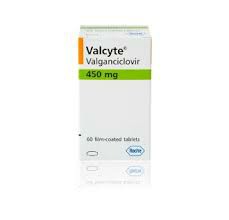
The antiviral mechanism of valganciclovir is to competitively inhibit the activity of CMV DNA polymerase by converting it into ganciclovir in the body, thereby blocking viral replication. The early stage after organ transplantation is the most vulnerable stage for patients. At this time, CMV infection will not only cause direct manifestations such as fever, leukopenia, and gastrointestinal symptoms, but may also increase the risk of graft rejection, secondary bacterial and fungal infections, and even affect long-term survival rates. These risks can be significantly reduced by prophylactic use of valganciclovir.
In clinical practice, patients with kidney transplantation, heart transplantation, liver transplantation, etc. are often managed stratified according to the CMV serological status of the donor and recipient. If the donor is CMV-positive and the recipient is CMV-negative, this "high-risk combination" is more likely to cause severe infection and usually requires a longer period of valganciclovir prophylaxis. For low-risk groups, a shorter course of treatment or on-demand medication after monitoring may be used.
In addition to simply preventing primary infection, valganciclovir is also important in preventing the reactivation of latent viruses. Many patients receiving immunosuppressive treatment originally carry latent CMV virus in their bodies, which may be reactivated when their immunity declines, leading to serious complications. Studies have shown that valganciclovir also has a clear effect in reducing the incidence of reactivation.
Reference materials:https://go.drugbank.com/drugs/DB01610
[ 免责声明 ] 本页面内容来自公开渠道(如FDA官网、Drugs官网、原研药厂官网等),仅供持有医疗专业资质的人员用于医学药学研究参考,不构成任何治疗建议或药品推荐。所涉药品可能未在中国大陆获批上市,不适用于中国境内销售和使用。如需治疗,请咨询正规医疗机构。本站不提供药品销售或代购服务。


