
.jpeg)
Which one is better, crizotinib/Xalkori or similar drugs?
Crizotinib is the first first-line targeted therapy approved for ALK-positive non-small cell lung cancer (NSCLC). Since its launch in 2011, crizotinib has provided a new treatment option for ALK-positive patients. However, with the deepening of treatment research, more and more second- and third-generation ALK inhibitors have become available, and clinical data show that they are superior to crizotinib in terms of efficacy and safety. So, compared with these similar drugs, who is better?
First of all, the second-generation ALK inhibitor alectinib (alectinib) has performed well in terms of efficacy. According to the results of the ALEX study, alectinib significantly prolonged progression-free survival (PFS) compared with crizotinib in patients with untreated ALK-positive NSCLC and also performed better in controlling central nervous system (CNS) metastases. In addition, the safety profile of alectinib is also better than that of crizotinib, with a lower incidence of grade 3 to 5 adverse reactions.
Secondly, the third generationALK inhibitor lorlatinib is more outstanding in terms of efficacy. The CROWN study showed that lorlatinib significantly improved the 3-year progression-free survival rate compared with crizotinib in patients with untreated ALK-positive NSCLC (64% vs. 19%), and also performed well in controlling brain metastases. In addition, lorlatinib still shows superior efficacy and safety in long-term follow-up.
However, crizotinib still has certain advantages in certain circumstances. For some special groups, such as elderly patients or patients with other diseases, crizotinib has relatively mild side effects and is well tolerated. In addition, the price of crizotinib is relatively low and the economic burden is light.
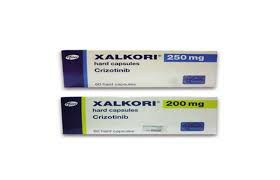
The second and third generationALK inhibitors are superior to crizotinib in terms of efficacy and safety, especially in controlling brain metastases and prolonging progression-free survival. However, crizotinib still has certain advantages in certain special populations. Clinically, an individualized treatment plan should be formulated based on the patient's specific situation and comprehensive consideration of the drug's efficacy, safety, tolerance, and economy.
In selectionWhen considering ALK inhibitors, in addition to considering the efficacy and safety of the drug, the patient's quality of life should also be considered. The side effects of crizotinib are relatively mild and patients have a higher quality of life. Although second- and third-generation ALK inhibitors are more effective, they may cause more side effects and affect patients' quality of life. Therefore, the patient's wishes and quality of life should be fully considered when formulating treatment plans.
In addition, with the continuous development ofALK inhibitors, more drugs with better efficacy and fewer side effects may appear in the future. Clinicians should pay close attention to the latest research progress and adjust treatment plans in a timely manner in order to provide patients with better therapeutic effects.
In short, crizotinib, asthe first targeted therapy for ALK-positive NSCLC, provides patients with a new treatment option. However, with the advent of second- and third-generation ALK inhibitors, therapeutic efficacy and safety have been significantly improved. Clinically, a treatment plan should be formulated based on the patient's specific situation and comprehensive consideration of the drug's efficacy, safety, tolerance and economy, in order to achieve the best therapeutic effect.
Reference materials:https://go.drugbank.com/drugs/DB08865
[ 免责声明 ] 本页面内容来自公开渠道(如FDA官网、Drugs官网、原研药厂官网等),仅供持有医疗专业资质的人员用于医学药学研究参考,不构成任何治疗建议或药品推荐。所涉药品可能未在中国大陆获批上市,不适用于中国境内销售和使用。如需治疗,请咨询正规医疗机构。本站不提供药品销售或代购服务。


