
.jpeg)
Bevacizumab combined with erlotinib in the treatment of hereditary and sporadic papillary renal cell carcinoma
In a Phase II clinical trial, researchers tested the monoclonal antibodies Bevacizumab (Bevacizumab) and EGFR The efficacy of the pan>inhibitor erlotinib(Erlotinib) has been studied in depth, with particular attention to patients with advanced hereditary leiomyomatosis and renal cell carcinoma (HLRCC) and sporadic renal cell carcinoma. The goal of this study is to evaluate the antitumor activity and safety of this combination therapy in this patient population.
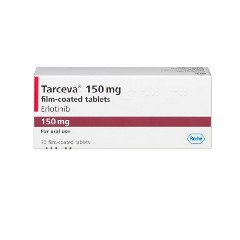
In terms of study design, this was an open-label, multicenter trial, and a total of 83 patients were included in the study, including 43 patients with HLRCC-related renal cell carcinoma and 40 patients with sporadic renal cell carcinoma. These patients received a combination of bevacizumab and erlotinib in the trial, with bevacizumab at a dose of 10 mg/kg every two weeks and erlotinib at a dose of 150 mg once daily, for a total treatment cycle of 28 days. The primary outcome measure was the assessment of patient objective response rate.
The study's key findings are encouraging. Among patients with HLRCC-associated renal cell carcinoma who received treatment, after a median follow-up of 71.9 months, 31 patients showed objective response, with an overall objective response rate of 72% (95% confidence interval, 57%–83%), of which 2 patients achieved complete response, with a median duration of response of 19.3 months (95% confidence interval, 12.9–35.9 months). In addition, the median progression-free survival of this group of patients was 21.1 months (95% confidence interval, 15.6–26.6 months), and the median overall survival was 44.6 months (95% confidence interval, 32.7 months to not estimable).
In contrast, the results in the sporadic renal cell carcinoma group were relatively dismal.14 patients observed objective responses, with an objective response rate of 35% (95% confidence interval, 22%–51%), and all responses were partial responses. The median duration of response in this group of patients was 18.4 months (95% confidence interval, 13.8-49.7 months), the median progression-free survival was 8.9 months (95% confidence interval, 5.5-18.3 months), and the median overall survival was 18.2 months (95% confidence interval, 12.6-29.3 months).
The findings also provide important information regarding safety. Among all participants, the most common treatment-related adverse events included acneiform rash (93%), diarrhea (89%) and proteinuria (78%). In addition, 52% of patients experienced grade ≥3 treatment-related adverse events, with hypertension (34%), proteinuria (17%), diarrhea (5%), and acneiform rash (5%) being the most common adverse events. The severity of adverse events resulted in some patients discontinuing treatment, including three patients who discontinued bevacizumab and one patient who discontinued erlotinib.
After comprehensive analysis, the researchers reached an important conclusion: "The combination therapy of bevacizumab and erlotinib showed significant anti-tumor activity in patients with HLRCC-related and sporadic renal cell carcinoma, and the toxic effects of the combination are also known." This trial provides new ideas for future treatment options, especially for patients with advanced renal cell carcinoma with a genetic background, combination therapy may become a new effective option.
References:https://ascopost.com/news/july-2025/bevacizumab-plus-erlotinib-in-hereditary-and-sporadic-papillary-kidney-cancer/
[ 免责声明 ] 本页面内容来自公开渠道(如FDA官网、Drugs官网、原研药厂官网等),仅供持有医疗专业资质的人员用于医学药学研究参考,不构成任何治疗建议或药品推荐。所涉药品可能未在中国大陆获批上市,不适用于中国境内销售和使用。如需治疗,请咨询正规医疗机构。本站不提供药品销售或代购服务。


