
.jpeg)
Is it necessary to use ivonib/Tosuvo during the recovery period of bone marrow transplantation?
Bone marrow transplantation is one of the important means of treating acute myeloid leukemia. Especially for young and eligible patients, transplantation often means potential long-term remission or even cure. However, transplantation is not the end point of treatment. How to manage the recovery period and whether drug intervention is needed are issues of great concern to both patients and their families. In recent years, Ivosidenib has been gradually proposed as a potential option for post-transplantation maintenance therapy, which is closely related to the molecular characteristics of AML and the risk of recurrence.
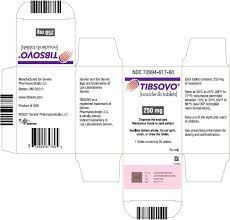
During the recovery period after bone marrow transplantation, there may still be residual leukemia cells in the patient's body. Once these hidden abnormal cells become active again, they will cause relapse. For AML patients carrying IDH1 mutations, ivonib can specifically inhibit this mutation driver, thereby reducing the risk of relapse. Some overseas studies have explored the value of maintenance therapy after transplantation, and the results show that ivonib can prolong recurrence-free survival to a certain extent and also allow some patients to achieve more stable hematological remission. This idea is currently being verified in more clinical trials.
Whether to use ivonib as post-transplant therapy requires comprehensive consideration of the patient’s genetic characteristics, risk of recurrence, physical tolerance, and long-term safety. Some patients recover well after transplantation, and doctors may recommend observation rather than immediate intervention; while for high-risk groups, the use of ivonib may help consolidate the efficacy. At the same time, long-term medication also requires attention to side effects, such as abnormal liver function, electrolyte imbalance, and differentiation syndrome. Therefore, patients should be reviewed regularly during use to ensure a balance between efficacy and safety.
In general, whether ivonib treatment is needed during the recovery period of bone marrow transplantation depends on the patient's condition. For AML patients carryingIDH1 mutations, ivonib is expected to become one of the important means to reduce the risk of relapse.
Reference: https://www.tibsovo.com/
[ 免责声明 ] 本页面内容来自公开渠道(如FDA官网、Drugs官网、原研药厂官网等),仅供持有医疗专业资质的人员用于医学药学研究参考,不构成任何治疗建议或药品推荐。所涉药品可能未在中国大陆获批上市,不适用于中国境内销售和使用。如需治疗,请咨询正规医疗机构。本站不提供药品销售或代购服务。


