
.jpeg)
How much does a box of Delamanid cost? Price details
Delamanid is an innovative anti-tuberculosis drug mainly used to treat patients with multi-drug-resistant tuberculosis (MDR-TB), especially when conventional anti-tuberculosis drugs have limited efficacy or have developed drug resistance. It has been launched in the domestic market and is included in the scope of Class B medical insurance, but reimbursement is limited to patients with multi-drug-resistant tuberculosis, reflecting its special clinical use and pertinence. The specifications of each box of Delamani are 50mg*60 tablets, and the price may be more than 6,000 yuan. The specific price will vary depending on the region, hospital and distribution channel.
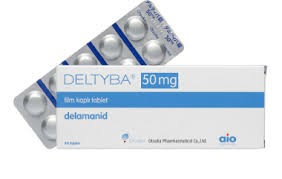
Delamanid inhibits cell wall synthesis of Mycobacterium tuberculosis, thereby reducing bacterial proliferation and the development of drug resistance. The drug is often used as part of combination therapy, working synergistically with other anti-tuberculosis drugs to form a multi-target treatment strategy. Combination therapy can not only enhance the antibacterial effect, but also reduce the risk of drug resistance, thereby improving the cure rate of MDR-TB patients. In clinical application, doctors will formulate individualized treatment plans based on the patient's specific condition, type of drug resistance, and comorbid symptoms to ensure maximum efficacy.
The use of delamanid must be strictly in accordance with the doctor's instructions. Do not increase or decrease the dose at will or stop the drug without authorization. Although oral administration is convenient, patient compliance is still a key factor in the success of treatment due to the long treatment cycle of MDR-TB. Therefore, during the treatment process, medical staff usually conduct regular follow-up visits and efficacy evaluations on patients, and adjust the combined medication regimen in a timely manner.
In addition, delamanid is clinically well tolerated, but it may still cause certain adverse reactions, including mild gastrointestinal reactions, changes in hematological indicators, and prolongation of the QT interval in electrocardiogramQT interval. Therefore, patients need to regularly monitor electrocardiogram, liver function and blood indicators during treatment to detect and deal with potential risks in a timely manner.
Reference: https://go.drugbank.com/drugs/DB11637
[ 免责声明 ] 本页面内容来自公开渠道(如FDA官网、Drugs官网、原研药厂官网等),仅供持有医疗专业资质的人员用于医学药学研究参考,不构成任何治疗建议或药品推荐。所涉药品可能未在中国大陆获批上市,不适用于中国境内销售和使用。如需治疗,请咨询正规医疗机构。本站不提供药品销售或代购服务。


