
.jpeg)
Can Trelagliptin be taken simultaneously with metformin and analysis of safe medication guidelines
Trelagliptin (Trelagliptin) is a new dipeptidyl peptidase-4 (DPP-4) inhibitor, mainly used to treat type 2 diabetes (T2DM). Its pharmacological mechanism is to prolong glucagon-like peptide-1 (GLP-1< /span>) and glucose-dependent insulin secretagogue peptide (GIP), thereby promoting insulin secretion from pancreatic beta cells, inhibiting glucagon secretion, and helping to reduce postprandial and fasting blood glucose levels. Because of its unique mechanism of action that is dependent on blood glucose levels, trotagliptin generally has a low risk of causing hypoglycemia and is therefore widely used clinically as a monotherapy or in combination with other antidiabetic drugs.
Metformin is a first-line oral hypoglycemic drug. Its main effect is to reduce blood glucose levels by inhibiting hepatic gluconeogenesis, improving peripheral tissue insulin sensitivity, and mildly delaying intestinal glucose absorption. Because metformin does not stimulate pancreatic isletβ cells to secrete insulin directly, the risk of hypoglycemia is low when used alone. The mechanisms of action of trolagliptin and metformin are complementary. The former enhances glucose-dependent insulin secretion, while the latter reduces hepatic glucose output and improves insulin sensitivity. Therefore, the combination of the two is clinically considered safe and effective, and can significantly improve blood sugar control while reducing the possible adverse reactions caused by a single dose.
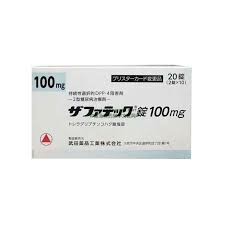
When using trotagliptin and metformin in combination, patients need to pay attention to individualized medication regimens and monitoring indicators. First, the dose should be determined based on the patient's basal blood glucose level, weight, renal function, and previous medication history. Trelagliptin is usually taken orally once a week, while metformin is taken orally 1 to 3 times daily. The dose can be adjusted based on renal function and tolerance. When used together, blood glucose levels, renal function, and liver function should be monitored regularly, especially in elderly patients or patients with renal insufficiency, to prevent rare but serious adverse events such as lactic acidosis caused by metformin. Secondly, patients should pay attention to symptoms of hypoglycemia while taking the medicine. Although the risk of hypoglycemia when taking combined medicines is lower than using insulin or sulfonylureas alone, they still need to be alert to symptoms such as fatigue, dizziness, palpitations, or hunger. Once they occur, blood sugar should be measured in time and sugar supplementation measures should be taken.
In addition, lifestyle management of combined medications is also crucial. Patients should maintain a regular diet and moderate exercise, and avoid excessive dieting or sudden increases in exercise to reduce the risk of blood sugar fluctuations. At the same time, you should avoid arbitrarily increasing or decreasing the dosage of medication or stopping medication on your own to avoid unstable blood sugar control. For patients on long-term combination therapy, regular follow-up is very important. Doctors will adjust the drug dosage or combination plan based on blood sugar control, weight changes and other comorbidities to ensure the best balance between efficacy and safety. In summary, the combined use of trolagliptin and metformin is clinically safe, effective and feasible, but individualized medication and monitoring must be carried out under the guidance of a doctor to achieve optimal blood sugar management and minimize potential risks.
Reference link:https://www.drugs.com
[ 免责声明 ] 本页面内容来自公开渠道(如FDA官网、Drugs官网、原研药厂官网等),仅供持有医疗专业资质的人员用于医学药学研究参考,不构成任何治疗建议或药品推荐。所涉药品可能未在中国大陆获批上市,不适用于中国境内销售和使用。如需治疗,请咨询正规医疗机构。本站不提供药品销售或代购服务。


