
.jpeg)
Under what circumstances is it not recommended to take Riboxil/Calilon
Ribociclib is a small molecule inhibitor targeting CDK4/6, mainly used for patients with hormone receptor-positive, HER2-negative advanced or metastatic breast cancer. It blocks the activity of cyclin-dependent kinases 4 and 6, preventing cancer cells from smoothly entering the S phase from G1 phase, thereby inhibiting cancer cell proliferation. Although ribociclib has shown good efficacy in the treatment of breast cancer, not all patients are suitable for its use, and its use should be used with caution or avoidance in certain circumstances.
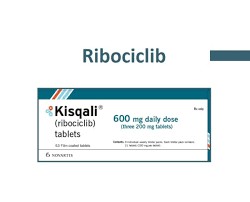
First of all, patients with severe liver function abnormalities or significantly elevated liver enzymes should avoid using Riboxil, because the drug is mainly metabolized by the liver, and impaired liver function may cause the drug to accumulate in the body, increasing the risk of toxicity. Secondly, it is not recommended for patients with serious heart rhythm problems, such as those with congenital QT prolongation, heart block, or recent myocardial infarction. Riboxiclib can prolong the QT interval, possibly induce arrhythmias, and increase the risk of cardiac events. Furthermore, there are potential risks when using Riboxil in pregnant or lactating women. The drug may have an impact on the fetus or infant. Therefore, the pros and cons must be weighed under the strict guidance of a doctor.
In addition, patients who are taking drugs that have significant drug interactions with reboxil should also be cautious. For example, some potent CYP3A4 inhibitors or inducers may affect the metabolism of reboxiclib, causing abnormal increases or decreases in blood concentration, affecting efficacy and safety. For patients with a history of myelosuppression and abnormal platelet or white blood cell counts, the risks also need to be fully assessed before use, because Riboxiclib may cause a drop in the blood count.
In summary, although Riboxiclib is an important drug in the treatment of breast cancer, it should be used with caution or avoided in cases of liver insufficiency, heart disease, pregnancy and lactation, drug interactions, and bone marrow dysfunction. Patients must formulate a medication plan under the guidance of a doctor to ensure maximum efficacy and safety.
Reference materials:https://us.kisqali.com/
[ 免责声明 ] 本页面内容来自公开渠道(如FDA官网、Drugs官网、原研药厂官网等),仅供持有医疗专业资质的人员用于医学药学研究参考,不构成任何治疗建议或药品推荐。所涉药品可能未在中国大陆获批上市,不适用于中国境内销售和使用。如需治疗,请咨询正规医疗机构。本站不提供药品销售或代购服务。


