
.jpeg)
Bevacizumab and erlotinib combination effective in treating papillary renal cell carcinoma: NEJM
The research results of Bevacizumab (Bevacizumab) andErlotinib (Erlotinib) combined to treat HLRCC-related renal cell carcinoma have attracted widespread attention. The background to this study is that HLRCC (hereditary leiomyomatosis and renal cell carcinoma syndrome) is an inherited disease caused by mutations in the fumarate hydratase (FH) gene. People with the disease often face a range of serious health problems, including multiple cutaneous leiomyomas, early-onset uterine leiomyomas, and aggressive type 2 renal cell carcinoma (RCC). Although this disease is well understood medically, there is still a lack of effective treatments for its related renal cell carcinoma, especially HLRCC-related RCC. The prognosis of patients is relatively poor, and many people eventually lose their lives due to worsening of the condition.
The purpose of this study was to evaluate the efficacy of the combination of bevacizumab and erlotinib. Bevacizumab is a targeted drug that can inhibit tumor angiogenesis, while erlotinib is an EGFR inhibitor mainly used to treat tumors such as non-small cell lung cancer. The combined use of these two drugs can theoretically fight tumors through different mechanisms and provide new treatment options for patients with HLRCC-related renal cell carcinoma.
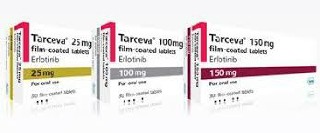
In the trial, a total of80 patients participated, including 40 patients with spontaneous renal cell carcinoma and 40 patients with HLRCC. Participants received a combination of erlotinib (150 mg once daily) and bevacizumab (10 mg/kg body weight once every two weeks). The primary endpoint of the study was overall patient response rate, while progression-free survival and overall survival were assessed as secondary endpoints.
Study results showed that 31 (approximately 72%) of patients with HLRCC-related renal cell carcinoma experienced a confirmed tumor response. More importantly, the median overall survival of these patients reached 44.6 months, which was a significant improvement in past treatments. The median progression-free survival was 21.1 months, indicating that this combination treatment also showed good results in delaying disease progression. In addition, the median progression-free survival and overall survival of patients with spontaneous renal cell carcinoma were 8.9 months and 18.2 months. Although the effect is slightly inferior to that of HLRCC-related patients, it still shows the potential of treatment.
In terms of safety, the treatment was relatively well tolerated, but there were still some adverse effects that warranted concern. The most common side effects include proteinuria (78%), diarrhea (89%), and acneiform rash (93%). It is worth noting that treatment-related serious adverse events of grade 3 or above mainly included proteinuria (17%) and hypertension (34%). Although these reactions affected the tolerability of the treatment to a certain extent, they were clinically manageable.
Overall, this study provides a new treatment option for patients with HLRCC-related and spontaneous renal cell carcinoma. The combination of bevacizumab and erlotinib demonstrated good anti-cancer effects, especially in HLRCC-related patients, showing significant survival improvement. This research result not only provides empirical basis for clinical treatment, but also provides new perspectives and ideas for the research of renal cell carcinoma, which may bring hope to more patients in the future.
References:https://medicaldialogues.in/nephrology/news/bevacizumab-and-erlotinib-combo-effective-in-papillary-renal-cell-carcinoma-patients-nejm-150439
[ 免责声明 ] 本页面内容来自公开渠道(如FDA官网、Drugs官网、原研药厂官网等),仅供持有医疗专业资质的人员用于医学药学研究参考,不构成任何治疗建议或药品推荐。所涉药品可能未在中国大陆获批上市,不适用于中国境内销售和使用。如需治疗,请咨询正规医疗机构。本站不提供药品销售或代购服务。


