
.jpeg)
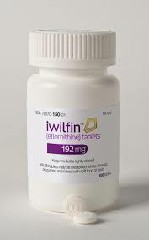
Key contents and medication guidelines of the Chinese instruction manual of eflornithine (IWILFIN)
Eflornithine (IWILFIN) is an antimetabolite chemotherapy drug that is a fluorouracil derivative. It inhibits the proliferation of tumor cells by interfering with the synthesis of DNA and RNA in tumor cells. The drug is mainly used for adjuvant or late-stage treatment of a variety of solid tumors, especially in colorectal cancer, gastric cancer and certain head and neck tumors. Eflornithine has high selectivity in clinical applications and has obvious inhibitory effects on rapidly dividing malignant cells. However, it may also produce certain toxic side effects on normal tissues, so medication guidance is very important.
The main mechanism of action of eflornithine is to generate active metabolites through metabolic conversion5-FdUMP, which inhibits thymidylate synthase (TS), blocks the production of thymidylate, thereby interfering with DNA synthesis, causing tumor cells to stay in the S phase and undergo apoptosis. At the same time, its metabolites can also be incorporated into RNA, affecting protein synthesis and accelerating tumor cell death. Clinical studies have shown that the drug can effectively delay tumor growth, reduce tumor size, and significantly improve the efficacy in combination chemotherapy regimens. It is an important part of the standard treatment regimen for a variety of solid tumors.
In terms of medication guidelines, eflornithine is usually administered orally or intravenously, and the dosage is adjusted according to different indications, patient weight, and renal and liver function. When taking it orally, you need to follow the doctor's prescription, usually take it in divided doses every day, and keep it at a regular time to ensure stable blood concentration. Intravenous medication needs to be administered by professionals in medical institutions, and must be accompanied by necessary hydration and supportive treatment to reduce the risk of toxicity. During the period of medication, patients should regularly monitor blood routine, liver and kidney function, and cardiovascular indicators in order to detect and deal with abnormalities in a timely manner.
Common adverse reactions of eflornithine include bone marrow suppression (such as neutropenia, thrombocytopenia), gastrointestinal reactions (such as nausea, vomiting, diarrhea), oral mucositis, and skin reactions. Long-term use or high-dose treatment may result in serious complications, such as an increased risk of infection, bleeding tendencies, or damage to liver and kidney function. Therefore, during the treatment process, it is necessary to pay close attention to the patient's clinical manifestations, and manage by adjusting the dosage, extending the medication interval, or providing supportive treatment when necessary. In addition, the use of eflornithine is contraindicated in pregnant women and lactating women. Patients should take effective contraceptive measures and evaluate the risks of medication under the guidance of a doctor.
Clinically, eflornithine is often used in combination with other chemotherapy drugs, such as oxaliplatin, irinotecan or other targeted drugs, to improve efficacy and prolong progression-free survival. The combination regimen needs to strictly adhere to the medication sequence and dose control, and formulate the best treatment plan based on the patient's individual situation. Doctors should inform patients in detail about possible side effects and countermeasures before taking medication, and guide patients to maintain good living habits and nutritional support to reduce adverse reactions and ensure treatment effects.
Overall, eflornithine (IWILFIN), as an important anti-tumor drug, has clear efficacy in the treatment of various solid tumors. Rational use relies on strict dose control, monitoring and individualized adjustment, combined with patient life guidance and adverse reaction management, to maximize the anti-tumor effect of drugs while ensuring drug safety. This drug still needs to be used in a standardized manner under the guidance of doctors in clinical practice, and the treatment plan must be continuously optimized in conjunction with the latest treatment guidelines to achieve the best efficacy and improve the patient's quality of life.
Reference link:https://www.drugs.com
[ 免责声明 ] 本页面内容来自公开渠道(如FDA官网、Drugs官网、原研药厂官网等),仅供持有医疗专业资质的人员用于医学药学研究参考,不构成任何治疗建议或药品推荐。所涉药品可能未在中国大陆获批上市,不适用于中国境内销售和使用。如需治疗,请咨询正规医疗机构。本站不提供药品销售或代购服务。


