
.jpeg)
Sotatercept-Winrevair Latest Research and Treatment Progress
Sotatercept-Winrevair is a new type of drug, trade name Winrevair, which is mainly used to treat adults with pulmonary arterial hypertension (PAH). In recent years, as the understanding of pulmonary arterial hypertension continues to deepen, the research and clinical application of sotercept have also made significant progress.
Pulmonary hypertension is a rare and progressive vascular disease characterized primarily by constriction of small pulmonary arteries and an increase in blood pressure in the pulmonary circulation. This condition is usually caused by excessive proliferation of cells in the walls of the pulmonary arteries, leading to narrowing and abnormal constriction of the blood vessels. The development of pulmonary hypertension puts significant pressure on the right side of the heart and may eventually lead to heart failure and death. Therefore, early diagnosis and effective treatment are crucial.
Soltecept regulates the proliferation of vascular cells by activating the activin signaling pathway, thereby slowing or reversing the pulmonary vascular remodeling process that occurs in pulmonary arterial hypertension. Studies have shown that by modulating the behavior of these cells, soltercept helps improve hemodynamics, reduce pulmonary artery pressure, and improve exercise capacity in patients with pulmonary hypertension.
The efficacy and safety of sotercept were approved by the Food and Drug Administration (FDA) based on data from the placebo-controlled Phase 3 STELLAR trial. The trial's primary efficacy endpoint is change from baseline in 6-minute walk distance (6MWD) at week 24.
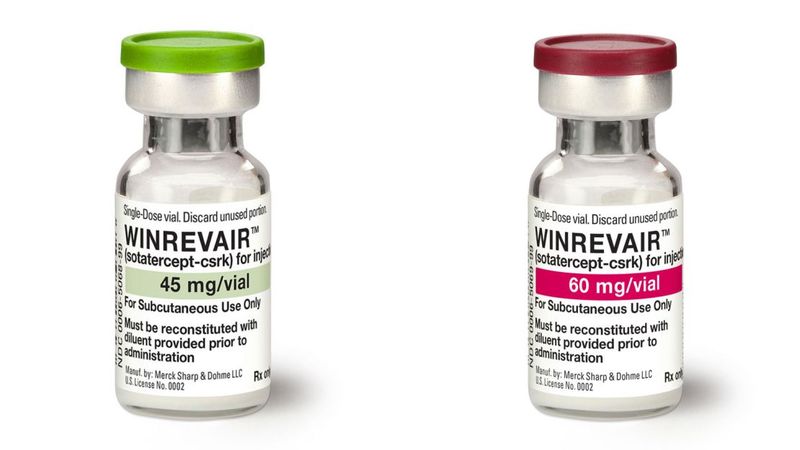
The results of the study showed that patients treated with soltercept experienced a significant increase in 6MWD of 41 meters from baseline at 24 weeks. In addition, the use of soltecept significantly improved multiple important secondary endpoints, including an 84% reduction in the risk of death from any cause or clinical worsening of PAH. This discovery provides new hope for the treatment of PAH patients.
Soltecept is administered as a subcutaneous injection every three weeks. This administration method is relatively convenient and suitable for outpatient administration, allowing patients to receive treatment without the need for hospitalization. With continued medication, patients are able to better manage their condition and improve their quality of life.
It is also important to pay attention to the warnings and precautions associated with the use of Sotacept. Some potential risks associated with soltecept include polycythemia, severe thrombocytopenia, serious bleeding, embryo-Fetotoxicity and impairment of fertility, etc. Monitoring of these risks is critical to ensuring patient safety.
In clinical studies, common adverse reactions include headache, epistaxis, rash, telangiectasia, diarrhea, dizziness, and erythema. Although most adverse reactions are mild and tolerable, patients still need to maintain good communication with their doctors during treatment so that possible side effects can be dealt with in a timely manner.
With further research on pulmonary arterial hypertension, sotercept has broad clinical application prospects as a new drug. In addition to improving patients' exercise capacity and quality of life, reducing the risk of clinical deterioration events makes Sotacept one of the current important options for the treatment of pulmonary arterial hypertension.
Further research also suggests that, in combination with other treatments, soltercept may play a greater role in the treatment of multiple types of pulmonary hypertension. Through reasonable treatment strategies, combined with the use of Sotecept, clinicians can provide patients with more personalized treatment plans to optimize treatment effects.
Reference materials:https://www.drugs.com/mtm/sotatercept.html
[ 免责声明 ] 本页面内容来自公开渠道(如FDA官网、Drugs官网、原研药厂官网等),仅供持有医疗专业资质的人员用于医学药学研究参考,不构成任何治疗建议或药品推荐。所涉药品可能未在中国大陆获批上市,不适用于中国境内销售和使用。如需治疗,请咨询正规医疗机构。本站不提供药品销售或代购服务。


